Rapid Prototyping
A working prototype on real devices in weeks, so you can validate a computer vision, AI or spatial idea before funding the full build.
Laan Labs builds working prototypes of computer vision, AI and spatial computing products in weeks rather than months. A prototype runs on the real target device with real data, so a product team, founder or investor can judge whether an idea works and what it will take to ship, before committing to a full build. Many Laan Labs products and client systems started this way.
The reason to prototype first is that in this field the risk is technical, not visual. A mockup cannot tell you whether a phone camera can measure a room accurately enough, whether a model can recognize a part on a factory floor, or whether a splat viewer will hold its frame rate on a headset. A working prototype answers those questions for a small fraction of the cost of finding out in production.
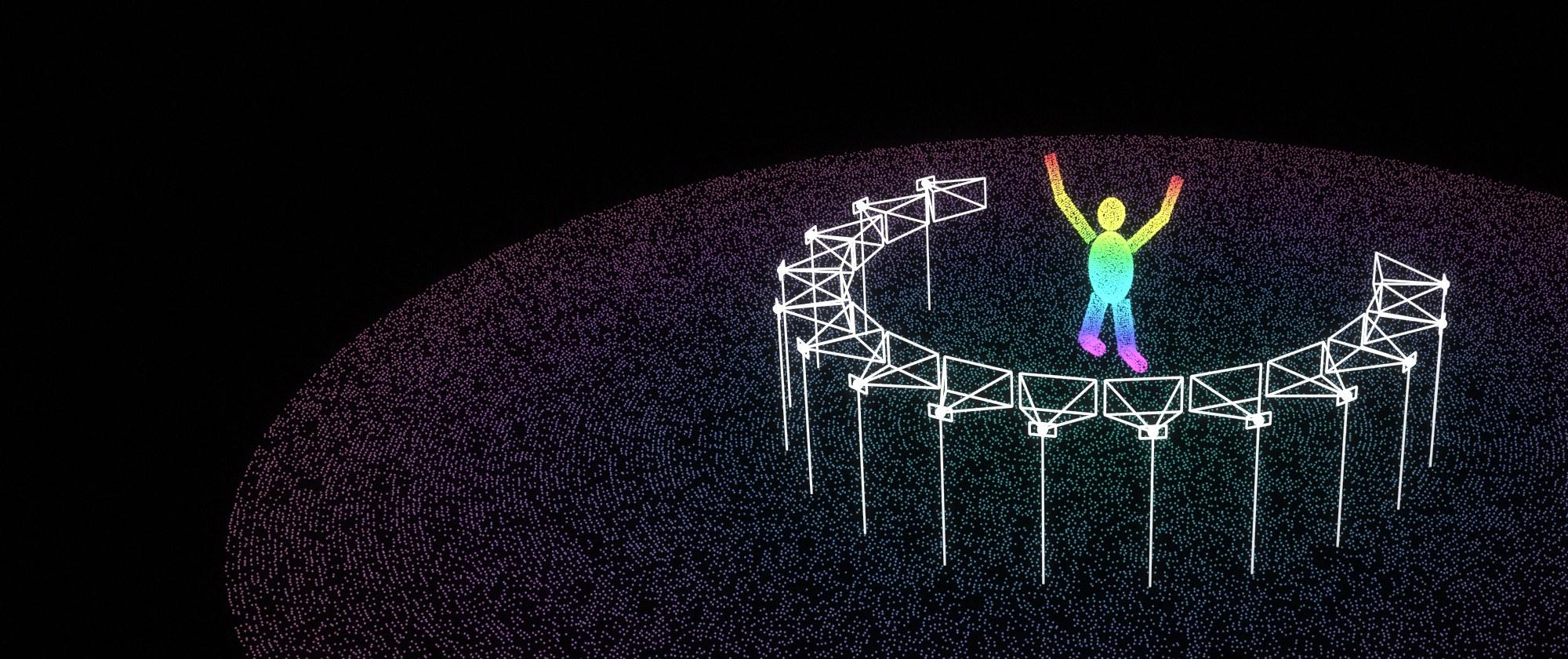
Laan Labs has used the same approach for its own experiments, from recording volumetric bullet-time video with 15 synchronized iPhones and NeRFs, to turning an iPhone into a robot's vision system, to building AirDraw for Apple Vision Pro in the weeks after the headset shipped.
What we do
- Feasibility spikes
- A few days of focused engineering on the hardest question in the idea, with a clear answer at the end: it works, it works with these constraints, or it does not.
- Working prototypes
- An installable app or system on the target device, using real sensors, real models and real data, built to be used by actual users rather than shown in a demo.
- Data and model experiments
- Quick training runs, synthetic data trials and model comparisons that establish what accuracy is achievable before anyone promises it.
- Technical due diligence
- An independent assessment of a proposed or existing computer vision or AI system for product teams and investors, grounded in building a small version of it.
- Path to production
- Every prototype ends with a written assessment: what worked, what did not, what the production version needs, and an estimate for building it.
How we work
Prototyping engagements are fixed in scope and time, usually two to six weeks. The first step is agreeing the one or two questions the prototype has to answer; everything else is left out so the answer arrives quickly.
The client receives the prototype itself, its source code, and the assessment. If the result is promising, Laan Labs can continue into production development with the same team, so nothing learned in the prototype is lost in a handoff.
Related work
Virtual Kitchen Planner
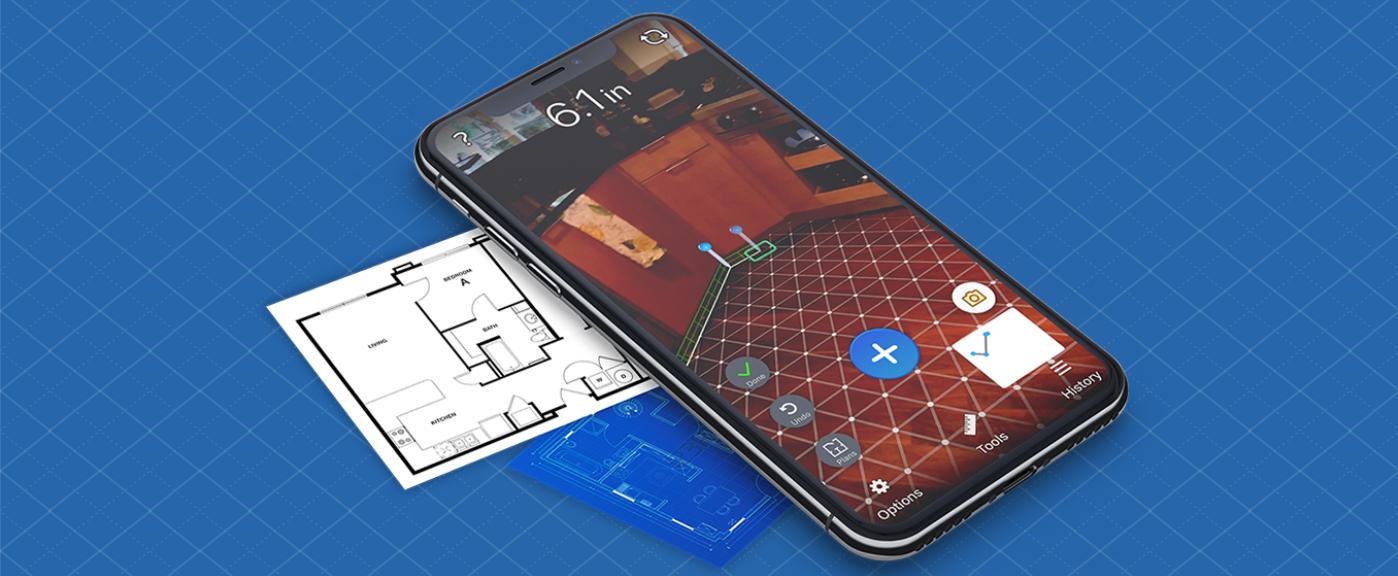
Plan and visualize your future kitchen in AR
Automotive Photography
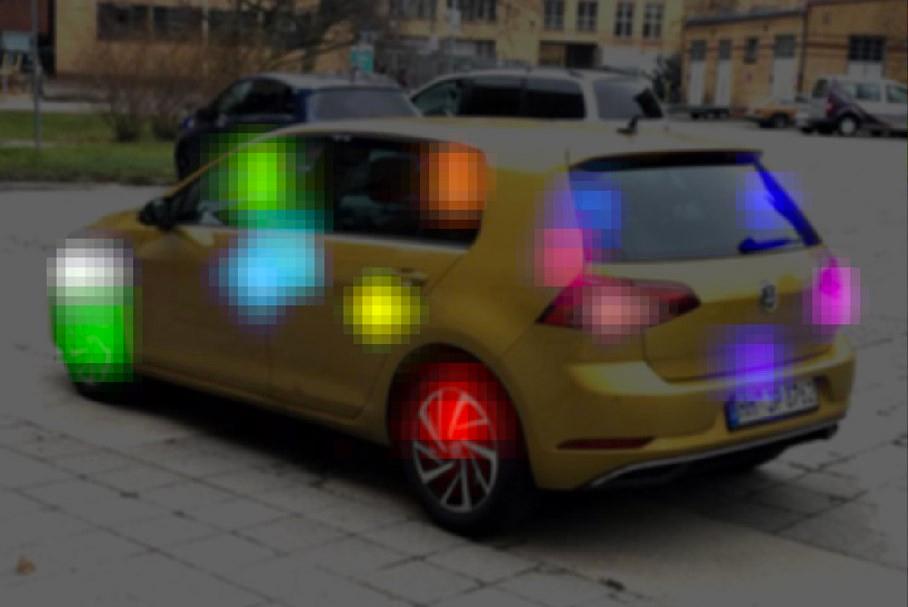
Improving the quality of car photography using Computer Vision
Asset Documentation
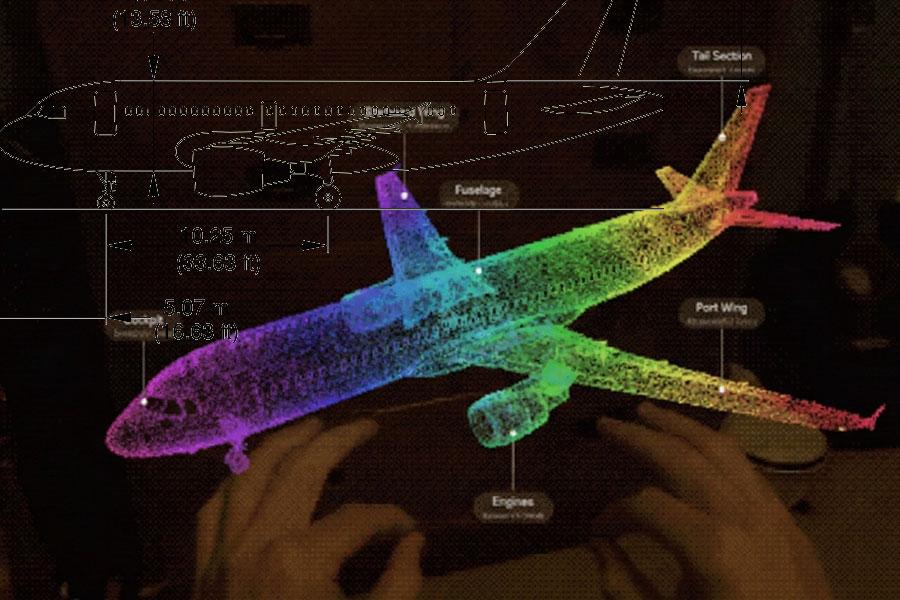
How Laan Labs is transforming the way industries document, inspect, and collaborate on critical assets using spatial computing and AI for Rapid Inspection & Documentation (RID).
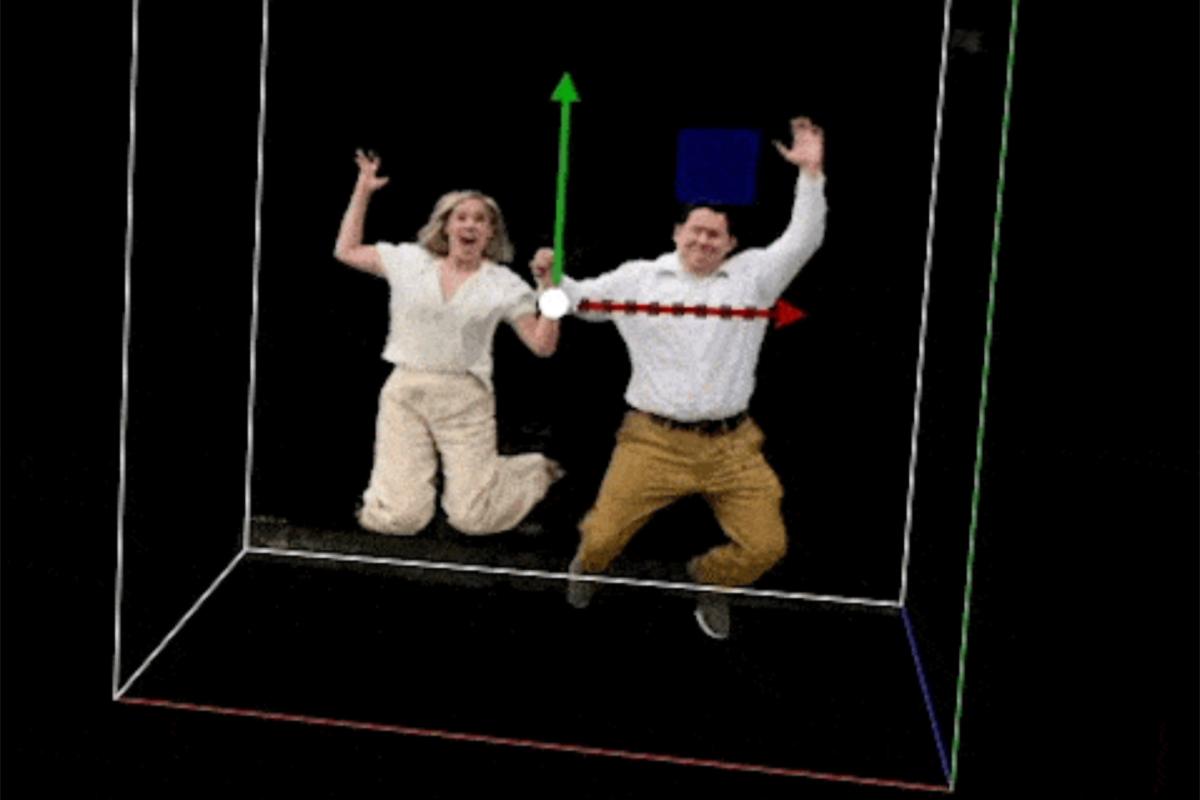
Bullet Time with NeRFs
How we used 15 synchronized iPhones and Neural Radiance Fields (NeRFs) to capture Matrix-style "bullet time" volumetric video, freezing moments in 3D space.
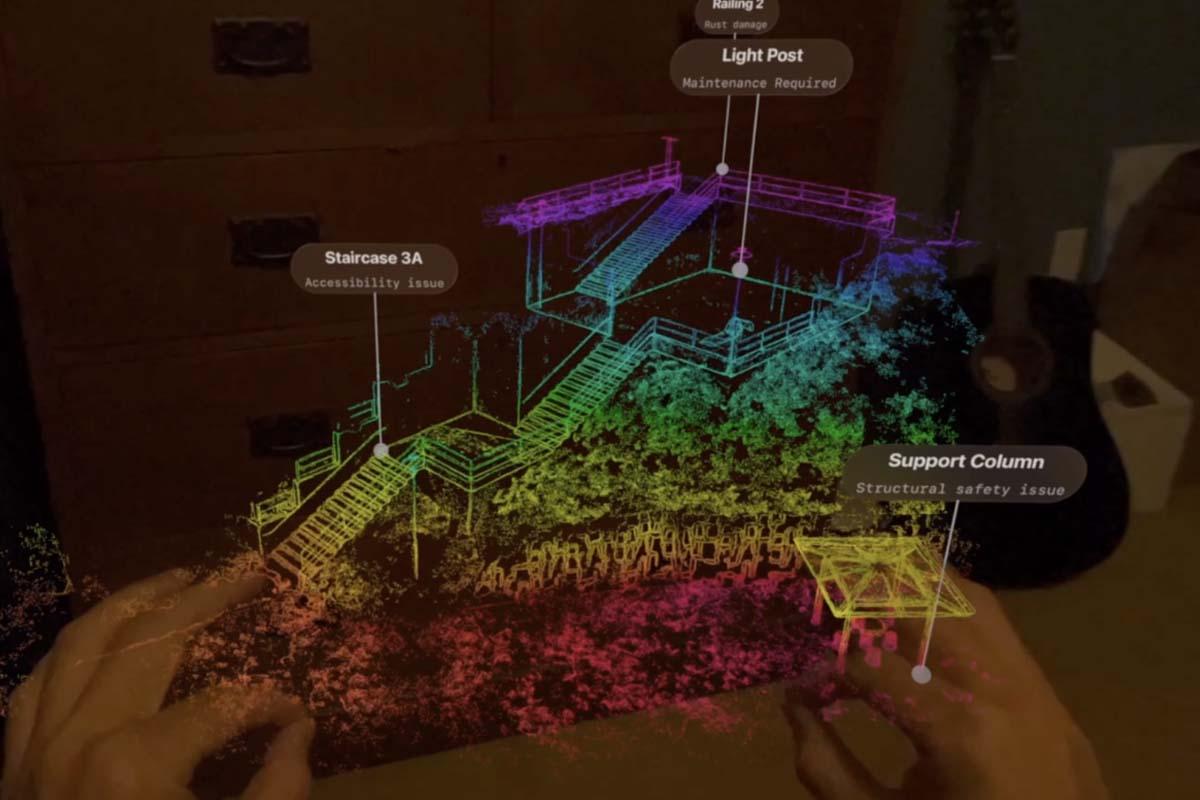
Apple Vision Pro
Our hands-on experiments with Apple Vision Pro, including building AirDraw - a finger painting app for visionOS - plus insights on spatial computing development and what excites us about the platform.

ARKit Home Robot
We'll show you how to assemble a fun little ARKit-driven home robot in a weekend.
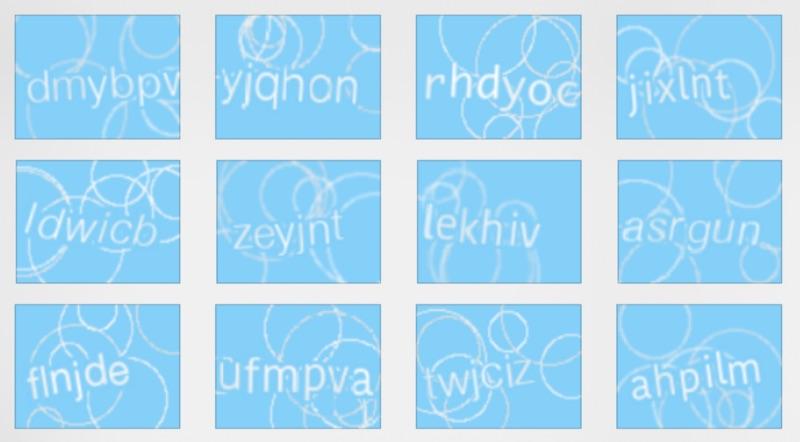
Solving CAPTCHAs
A quick project showing how to train up a simple keras net to solve a CAPTCHA.
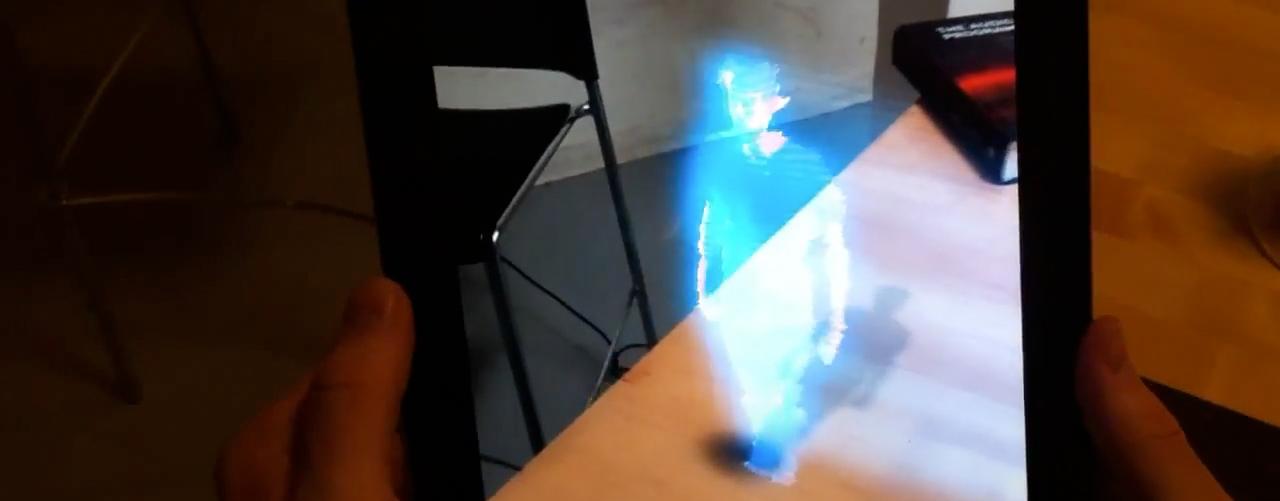
Kinect 3D Video
An experiment in displaying 3d video in Augmented Reality
Common questions
How long does a prototype take?
Most Laan Labs prototypes take two to six weeks, depending on how much of the problem is new. Feasibility spikes on a single technical question can be shorter. The timeline is fixed at the start along with the scope.
What do we receive at the end?
A working prototype installed on the target devices, its complete source code, and a written assessment covering results, limitations, and what a production version would require and roughly cost.
What happens if the prototype shows the idea does not work?
That is a successful outcome of a prototype. The assessment explains why, what would have to change for it to work, and whether a different approach is worth trying. Learning this in weeks is far cheaper than discovering it after a full build.
Can the prototype become the real product?
Yes. Laan Labs builds prototypes with production in mind, so the architecture and models carry forward rather than being thrown away. Many client systems and Laan Labs' own apps began as prototypes that were then hardened and extended into shipping products.
Start a conversation
Tell us about the project and one of the founders will reply. Email labs@laan.com or use the contact form.
Related services: Computer Vision & AI, Spatial Computing, AR & VR
Industries: Medical & Body Scanning, Robotics & Automation