Robotics & Automation
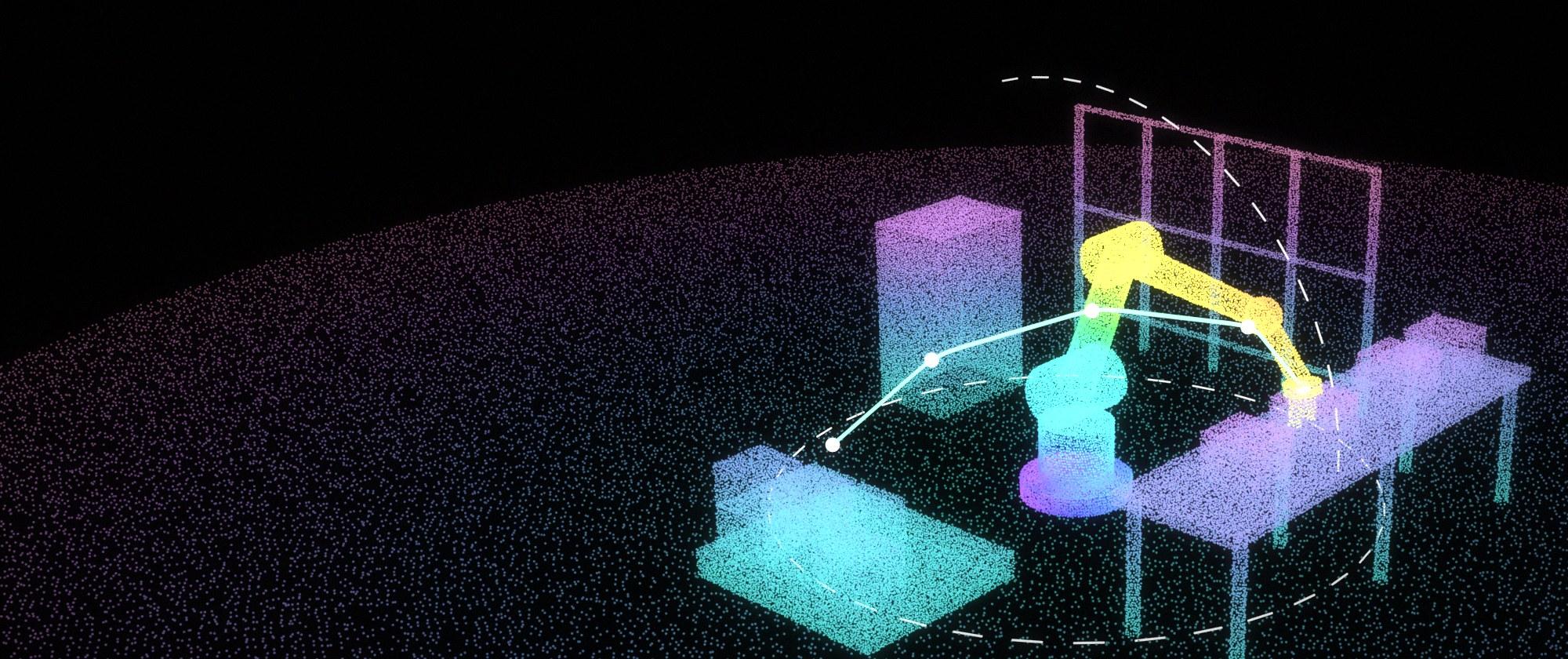
Scan the real space, then plan the robot in it: as-built capture for cell layout, reach and clearance checks, simulation scenes and perception training data.
Laan Labs builds 3D capture and computer vision software for robot integrators, automation engineers, manufacturers and robotics companies. A scan of the real floor, made with a phone or tablet, becomes the model a robot installation is planned in: where the cell fits, what the arm can reach, what it would hit, and what the robot's cameras will see. The same pipelines produce the scenes simulators run on and the data perception models are trained on. Laan Labs has built space measurement systems for industrial clients and synthetic training data for vision models.
Robot projects are planned in CAD and installed in buildings, and the two rarely match. The column is not where the drawing says, a cable tray runs through the planned envelope, the conveyor was moved two years ago. Finding that out during commissioning costs days. A scan taken at the start costs minutes, and gives the layout, the simulation and the installation team the same picture of what is actually there.
Survey-grade laser scans do this well and are worth it for a new line. Phone-based capture makes it routine: every site visit, every proposed cell, every change, and it puts capture in the hands of the sales engineer or technician who is already on site. Laan Labs builds the pipeline from that scan to whatever the planning process needs, and is direct about where centimeter-level capture is sufficient and where metrology still has to follow.
How Laan Labs helps
- Scan-to-plan for cells and lines
- A LiDAR and photo scan of the floor, machines, fixtures and obstructions, delivered as a measured model that the robot, guarding, conveyors and operators' space are laid out in before anything is ordered.
- Scan-to-CAD
- Scans converted to structured geometry: floors, walls and columns as clean surfaces, equipment as solids, exported as STEP, DXF, OBJ or USD so the as-built site sits alongside the cell design in the engineer's own tools.
- Reach, clearance and collision checks
- The robot's working envelope and planned paths checked against the scanned surroundings, flagging what the arm cannot reach and what it would collide with, while changing the layout is still cheap.
- Simulation-ready digital twins
- The captured environment prepared for robot simulation and offline programming: cleaned, scaled, aligned to the robot base frame and simplified into collision geometry, so programs are developed against the real site.
- Photorealistic environments
- Gaussian splat captures of a facility, reconstructed from photographs and realistic wherever the capture covered it well, for reviewing a proposal with a customer, briefing an installation crew remotely, or testing what a robot's camera will see.
- Synthetic data for robot perception
- Rendered, automatically labeled images and depth for training detection, segmentation and pose estimation models, generated from 3D models and scans of the actual parts and workspace instead of weeks of manual annotation.
- Perception models
- Object detection, 6D pose estimation and tracking that run in real time on embedded and mobile hardware, such as real-time 3D pose estimation trained on synthetic data.
- AR preview on site
- The planned cell shown in place at full scale on a tablet or headset, with the robot's reach drawn on the real floor, so operators, safety and maintenance can walk around it before installation.
- Automated capture pipelines
- Upload, reconstruction, alignment, conversion and delivery run without manual steps, so a scan taken on site in the morning is a usable planning model the same day.
Where to start
A good first project is one real installation: scan the site, bring it into the planning and simulation tools already in use, and compare the result with measurements taken the usual way. Laan Labs builds that pipeline as a working prototype in weeks, which shows where it saves time and what accuracy it delivers before it is rolled out to a sales or engineering team.
From there it can become an internal tool, a white-label app for integrators' field staff, or components licensed into a robotics product. See 3D capture pipelines, computer vision and AI development and rapid prototyping.
Related work
Industrial Measurement
Reducing the hassle of managing spaces using Computer Vision
Car Dataset Generation
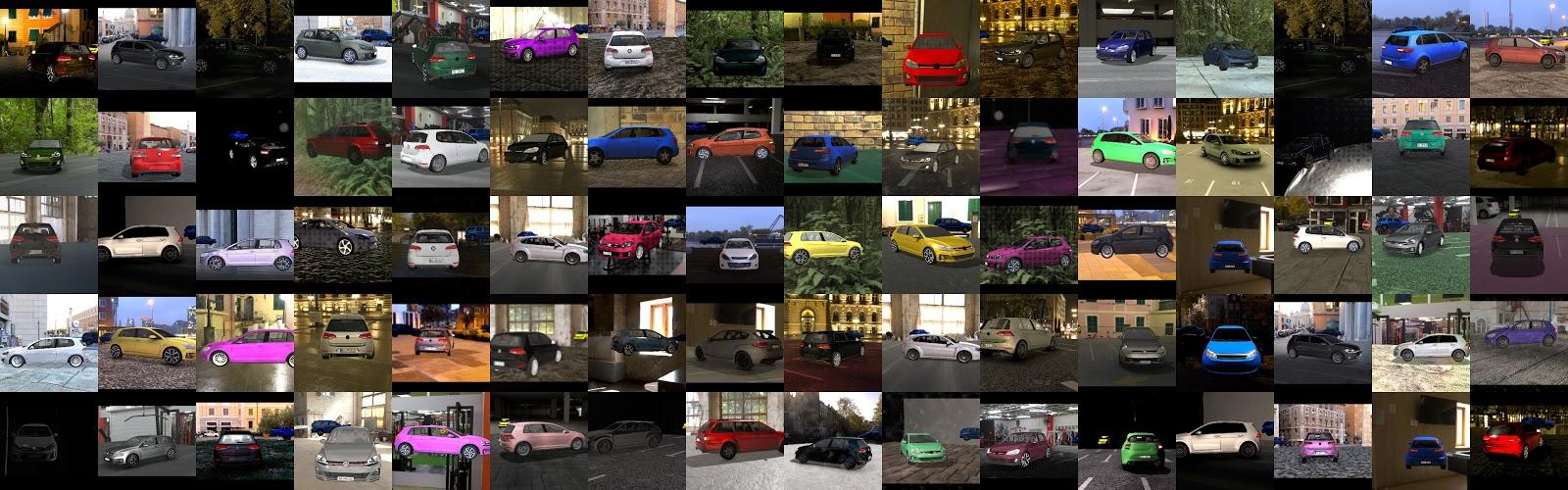
Reducing the cost of neural network training for car pose estimation using Synthetic Data
Foot Dataset Generation
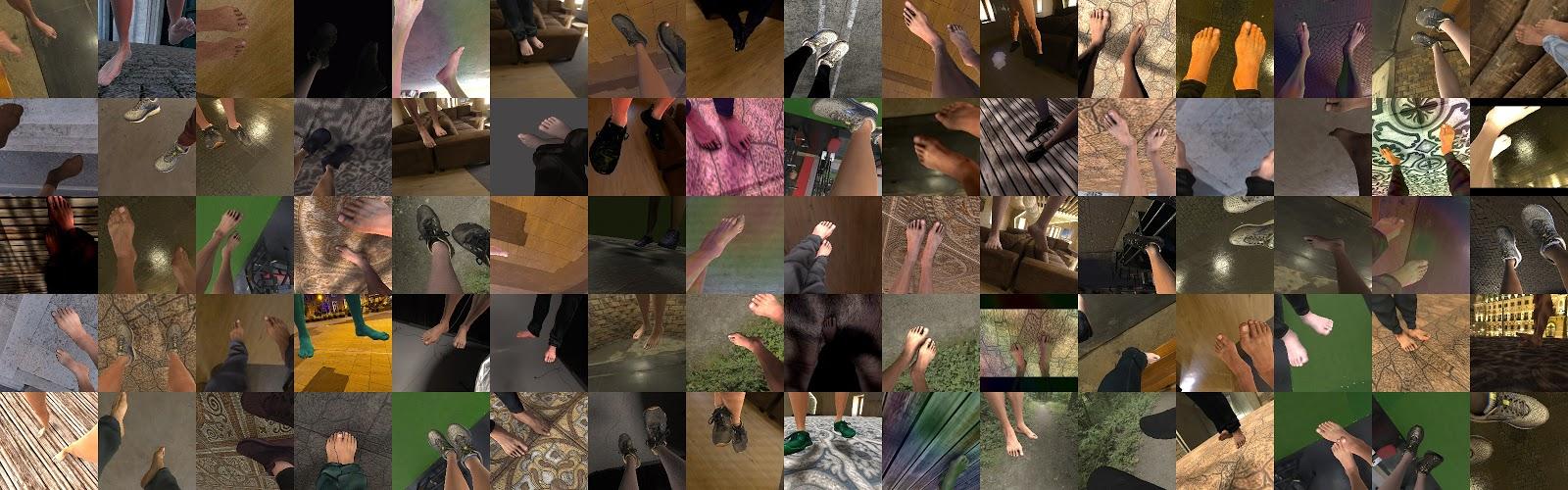
Reducing the cost of neural network training for foot pose estimation using Synthetic Data
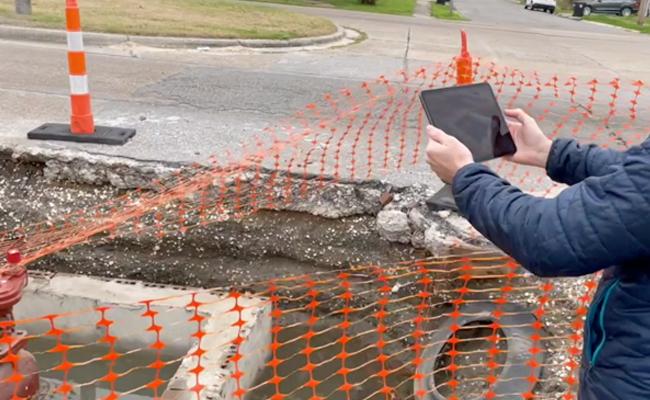
Mobile LiDAR Workflows
How professionals are incorporating mobile LiDAR Scanning into their operations
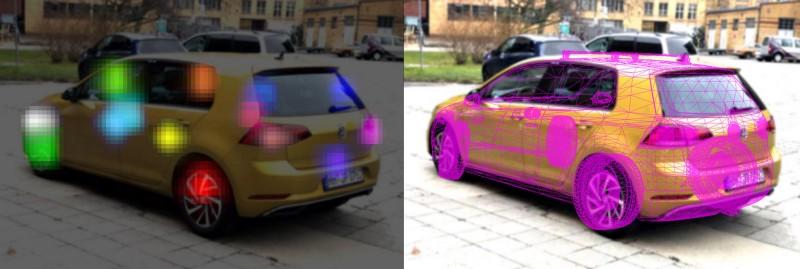
3D Car Pose Estimation
We'll demonstrate how to create a neural network with synthetic data for the task of real-time 3D pose estimation of vehicles.

ARKit Home Robot
We'll show you how to assemble a fun little ARKit-driven home robot in a weekend.
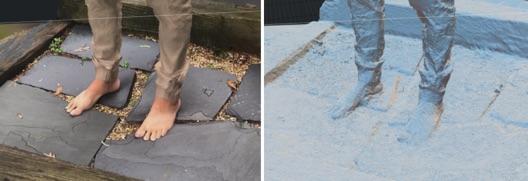
Photogrammetry & Annotation
How to label 1000s of video frames with only a few annotated images
Laan Labs products in this field
- OpenShape3D — Open-source solid-modeling CAD for iPad
- 3D Splat App — Photorealistic Gaussian splat captures on Mac
- RadianceView — Scans, splats and photographs as one record
Common questions
Is a phone scan accurate enough to plan a robot cell?
For layout, reach studies, clearances and collision checks, yes: iPhone and iPad LiDAR is accurate to roughly the centimeter at room scale, which is enough to decide where a cell fits and what is in the way. It is not a substitute for robot calibration or for locating fixtures to sub-millimeter tolerances, which still need metrology equipment. Laan Labs builds workflows that use each where it fits, and can work from laser scanner data as well.
Can the scan be used in our simulation and offline programming software?
Yes. Scans are delivered as meshes, point clouds and CAD geometry in standard formats such as OBJ, STEP, USD, glTF, PLY and E57, aligned to a chosen origin and simplified for collision checking, so they load into the simulation and planning tools a team already uses. Laan Labs builds the conversion for the specific tools in each project.
How is the scan aligned with the robot?
By reference points that exist in both: fiducial markers, surveyed targets, or features of the robot base and fixtures. The pipeline solves the transform between the scan and the robot's coordinate frame and reports the residual error, so the alignment is known and not assumed.
What is synthetic data and why use it for robot vision?
Synthetic data is training imagery rendered from 3D models, with labels such as object position, outline and pose generated automatically. It replaces most of the photography and manual annotation a vision model otherwise needs, and can cover lighting, clutter and part variations that are hard to stage. Laan Labs has used it to train pose estimation models for vehicles and for feet.
Does Laan Labs build the robots or do the integration?
No. Laan Labs builds the software around them: capture, digital twins, perception and the pipelines that connect a scan to planning and simulation. It works alongside integrators, robot makers and in-house automation teams.
Start a conversation
Tell us about the project and one of the founders will reply. Email labs@laan.com or use the contact form.
Services for this industry: Capture Pipelines & Inspection, Computer Vision & AI, 3D Capture & Licensing, Spatial Computing, AR & VR, Rapid Prototyping
Other industries: Insurance & Claims, Real Estate, Medical & Body Scanning, Utilities & Infrastructure, Aerospace & MRO, Construction & AEC