Art, Museums & Cultural Heritage
A record of the space and of every work in it: gallery and exhibition scans, object-level 3D models and photographs, and heritage sites captured as they stand.
Laan Labs builds capture and documentation tools for galleries, dealers, museums, collections and heritage organizations. One scan records a room as it was hung; a phone records each work up close, as a 3D model or as a set of full-resolution photographs placed in 3D; and the two are linked, so a marker on the floor plan opens the piece that hangs there. Laan Labs documented DTR Modern Galleries in SoHo, New York this way: the room first, then the works in it.
Exhibitions are temporary, and what remains of them is usually a handful of installation photographs. Those show what the room looked like from a few viewpoints. They do not let a collector in another city walk the space, stand in front of a piece or see how its surface catches the light, and they say little about where a work hung in relation to the ones around it. A scan of the room keeps the hang; a capture of each work keeps its surface, relief and scale.
The same pairing applies to collections and to heritage. An object record is more useful when it shows where the object is displayed or stored, and a historic interior, monument or site that is changing, through restoration, weather or use, can be recorded as it stands with equipment a small institution already owns. A visual record supports cataloguing and conservation; it does not replace a conservator's condition report or a survey-grade record where one is required.
How Laan Labs helps
- Exhibition and gallery archives
- A photorealistic Gaussian splat of a show as it was hung, walkable in a browser at the scale of the room, so the exhibition can be revisited after it has come down.
- Artwork and object capture
- Each work recorded with an iPhone where it hangs or sits: a textured 3D model a few megabytes in size, or a set of full-resolution photographs each placed at the position it was taken from, showing brushwork, relief and texture that a flat image loses.
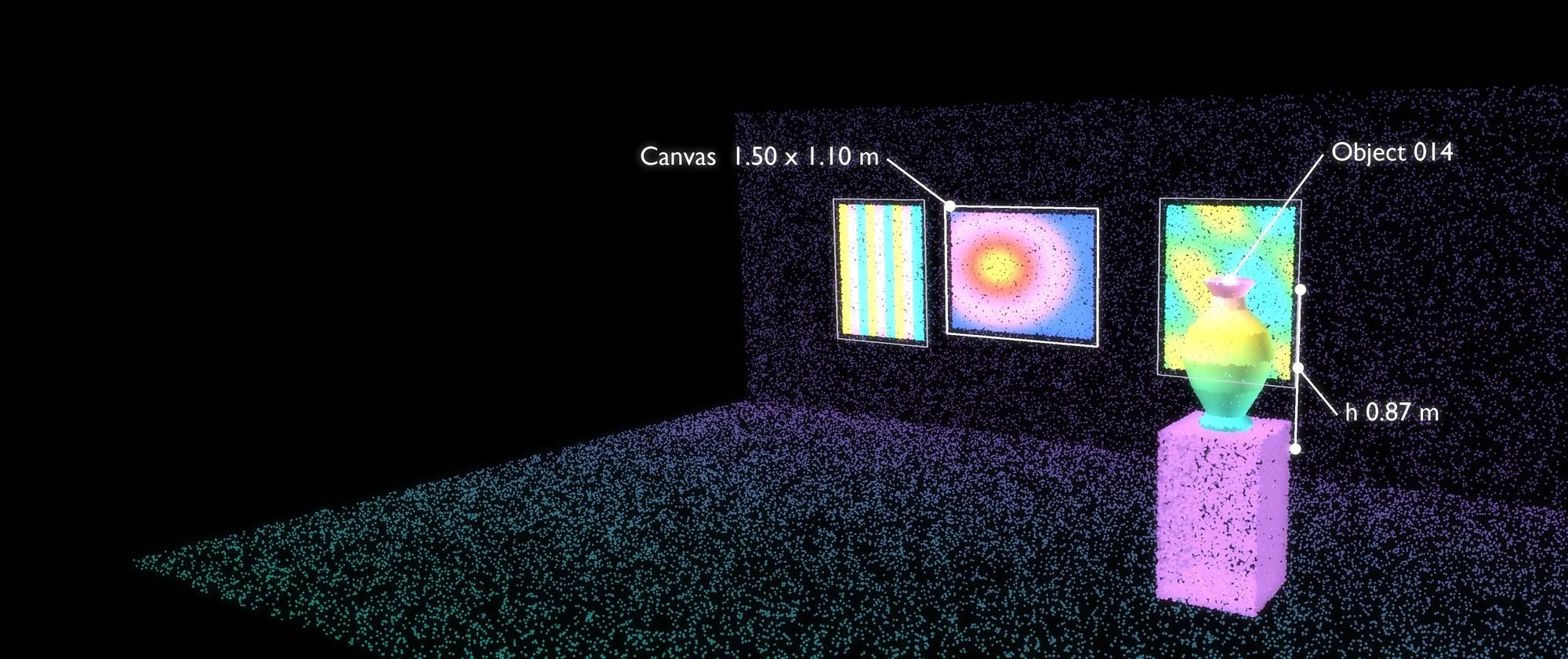
- Floor plans with the works on them
- A dimensioned plan drawn over the scan, with a marker at the position of each work that leads to the piece in the room and to its own capture, and back again.
- Remote viewing for collectors and curators
- A link to a single work, to a group of works or to the whole room, private, unlisted or public and with an optional password, that opens with nothing to install.
- Condition records for loans and transport
- A dated capture of a work before it is packed and after it arrives, with photographs tied to their place on the object, as supporting evidence for registrars, lenders, shippers and insurers.
- Collection records tied to location
- Objects documented together with where they are displayed or stored, so a record answers both what it is and where it is, and stays current as works are added one at a time.
- Heritage sites and interiors
- Historic buildings, rooms, monuments and sites captured with LiDAR and photographs as measured models and photorealistic splats, for documentation before restoration, monitoring over time and public access.
- Virtual exhibitions
- Captured spaces and objects presented online, on a touchscreen in the building, or at full scale in a headset, for audiences who cannot visit and for collections that cannot all be on display.
Where to start
A first project is usually one room and the works in it: a current exhibition, a single gallery of a museum, or a store of objects. Laan Labs captures the space with the institution's staff, shows them how to capture individual works with an iPhone, and delivers the record in RadianceView, so that works arriving later can be added by the people who handle them.
From there the approach can be extended across a collection, connected to an existing collection management system or website, or delivered under the institution's own name. See 3D capture pipelines for inspection and documentation and Gaussian splatting and radiance fields.
Related work
Gallery and Artwork Documentation
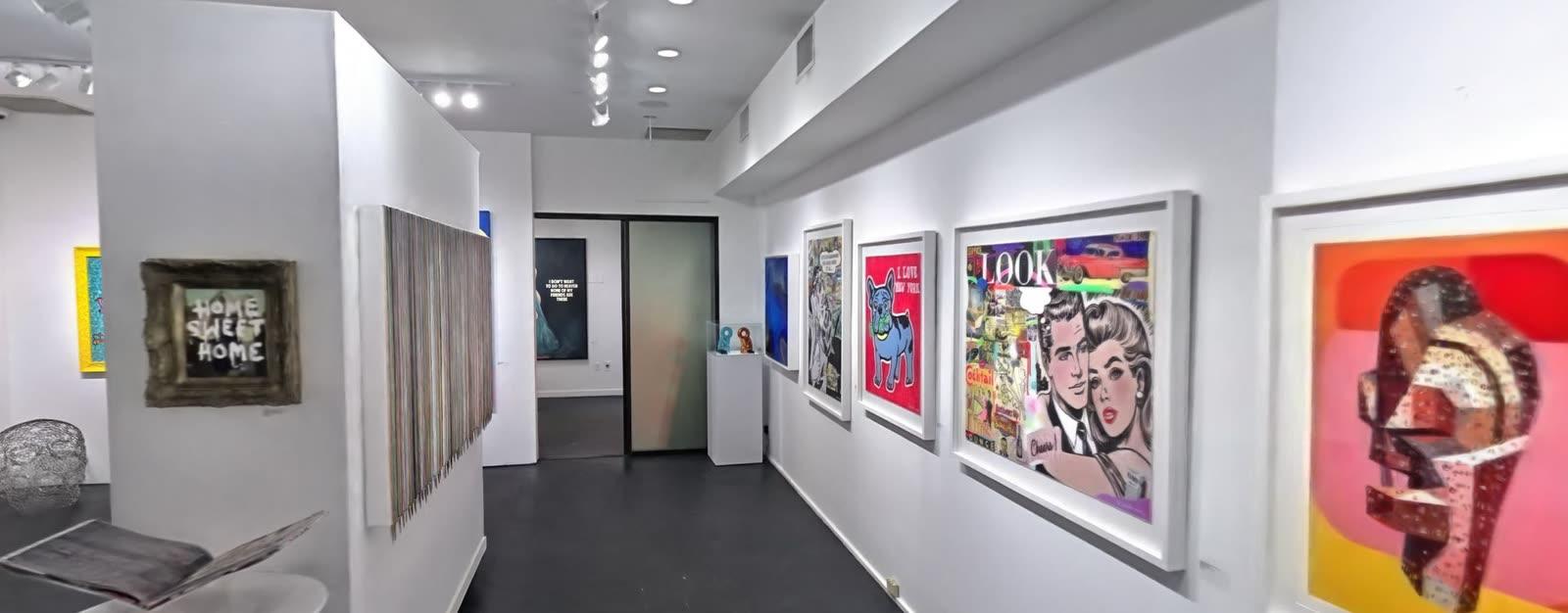
First the gallery is scanned as a Gaussian splat and a floorplan is drawn over it. Then each work is captured with a phone, for viewing and as a record of its condition. A marker on the plan opens the piece that hangs there.
RadianceView Aircraft Documentation
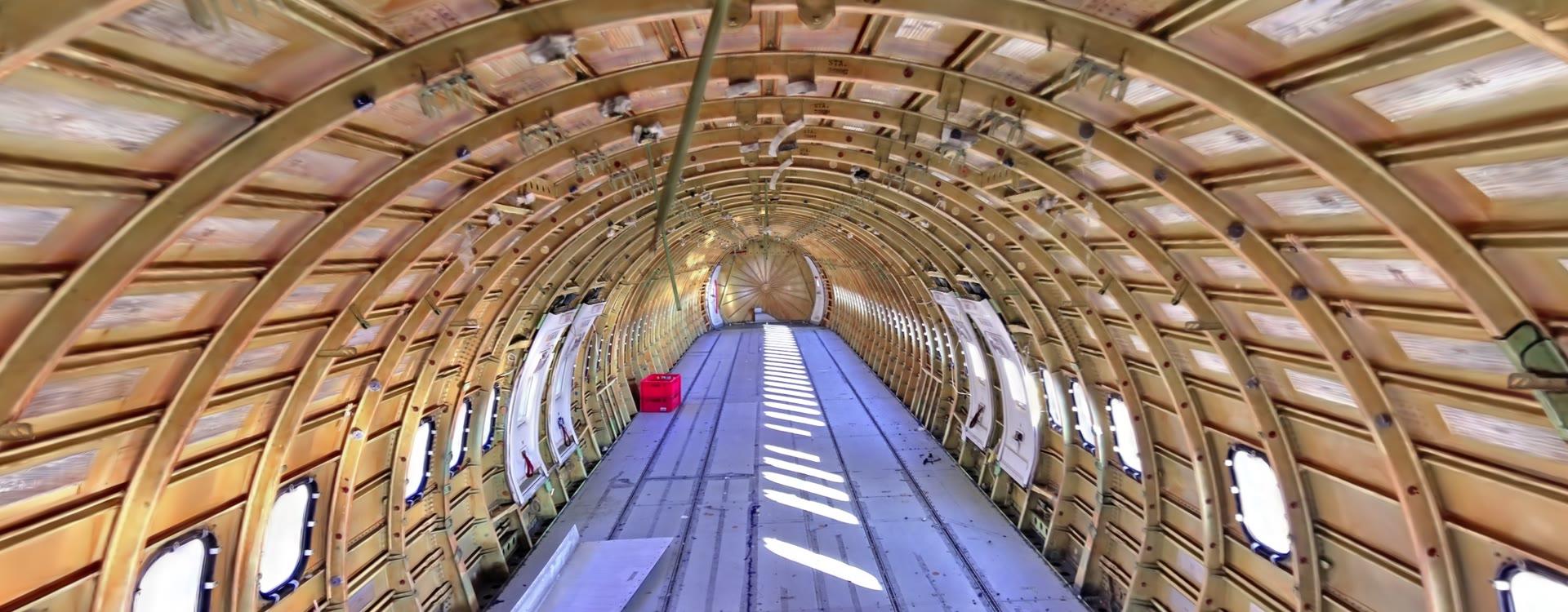
Before a retired airliner is taken apart, its parts need a record. This is how RadianceView and an iPhone turn an aircraft into one: the whole airframe as a splat, the detail as photographs, every finding tied to where it was seen.
Mobile LiDAR Workflows
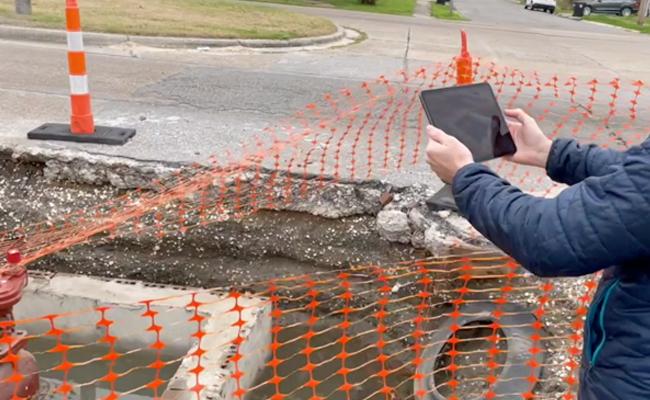
How professionals are incorporating mobile LiDAR Scanning into their operations
Gaussian Splat Training on Mac with Metal
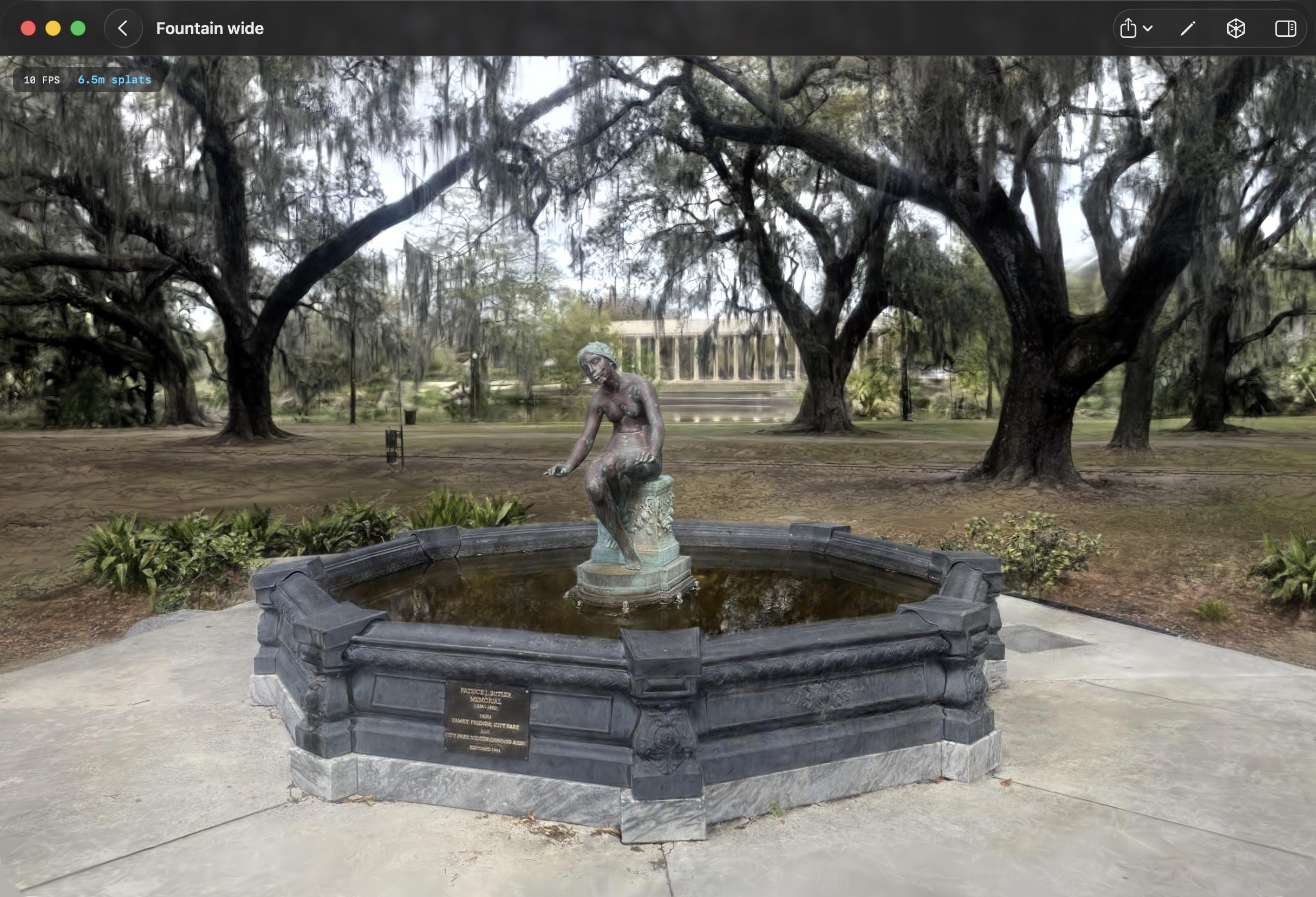
Most Gaussian splatting trainers are built on CUDA for NVIDIA GPUs. We ported a CUDA splat trainer to Metal so it runs natively on Apple Silicon. The result is 3D Splat App, a free app that trains splats locally on your Mac.
3D Room Scanning
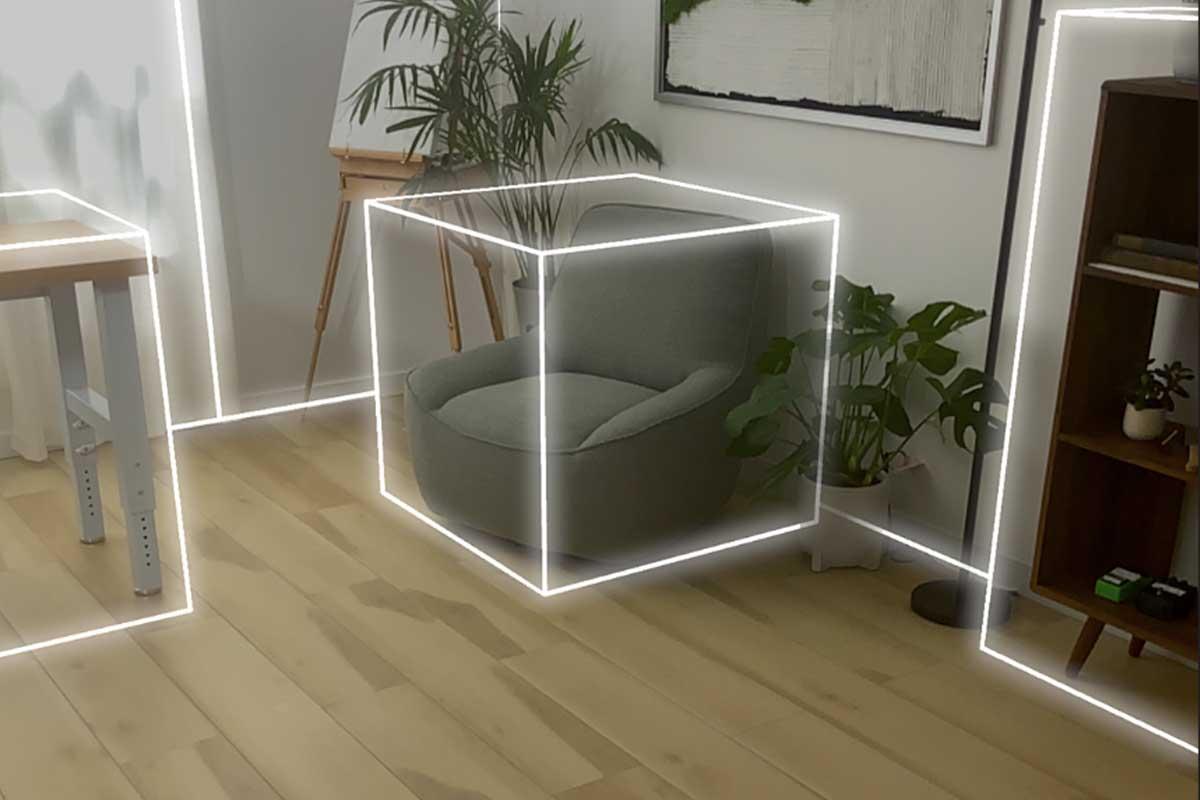
Scanning Spaces, with a focus on geometry and inventory.
Laan Labs products in this field
- RadianceView — The space and every work in it, as one record in a browser
- 3D Splat App — Photorealistic Gaussian splat captures on Mac
- OpenPlan3D — Open-source floor plan editor with iPhone LiDAR scanning
Common questions
What equipment does a gallery or museum need?
An iPhone is enough to capture individual works as 3D models or as photo sets placed in 3D, and gallery staff can do it themselves. The room is captured as a Gaussian splat with a 3D scanner or with ordinary cameras. No studio, turntable or special lighting is required, and works are captured where they hang.
Does a 3D capture show surface texture and relief?
Yes. In the DTR Modern Galleries project, a portrait built from raised dots of paint was captured so that the model shows the paint standing off the panel, and its photo set holds 39 photographs at 3024 x 4032 pixels that open at full resolution. Works behind glass and highly glossy surfaces are harder to capture as geometry; for those, the photographs and the room splat carry the record.
Can the record be kept private?
Yes. Each organization, project and capture can be private, unlisted or public, with an optional password, so a work can be shared with one collector, a group of works with a client, or an exhibition with everyone. Image rights and what is shown publicly remain the institution's decision.
What happens when the hang changes?
The room scan records the space on the day it was scanned. Works that arrive afterwards are captured individually and added to the plan without scanning the room again, and a new scan is made when the exhibition changes, so each show keeps its own record.
Is this suitable for conservation and heritage recording?
It is suitable as a visual and dimensional record: what an object or site looked like, at what scale, on a given date, in a form that can be revisited and compared. iPhone and iPad LiDAR is accurate to roughly the centimeter at room scale. Where conservation or heritage standards call for survey-grade or sub-millimeter recording, Laan Labs combines phone capture with data from the appropriate scanner.
Start a conversation
Tell us about the project and one of the founders will reply. Email labs@laan.com or use the contact form.
Services for this industry: Capture Pipelines & Inspection, Gaussian Splatting, 3D Capture & Licensing, Spatial Computing, AR & VR
Other industries: Insurance & Claims, Real Estate, Medical & Body Scanning, Robotics & Automation, Utilities & Infrastructure, Aerospace & MRO, Construction & AEC, Automotive, Manufacturing & Inspection, Media, VFX & Games