Gaussian Splatting & Radiance Fields
Photorealistic 3D capture from photos and video, from capture protocol to training to delivery in a browser or on a device.
Laan Labs specializes in Gaussian splatting and the wider family of radiance field techniques, which turn ordinary photographs or video into photorealistic 3D scenes. The team has worked with them since neural radiance fields (NeRFs) first became practical, when it recorded volumetric "bullet time" video with 15 synchronized iPhones, and today builds Gaussian splatting tools and pipelines end to end: 3D Splat App, a native Mac trainer and editor built on Laan Labs' own Metal engine; RadianceView, which combines splats with LiDAR and photography for inspection; and capture-to-delivery workflows for clients in infrastructure, aerospace and real estate.
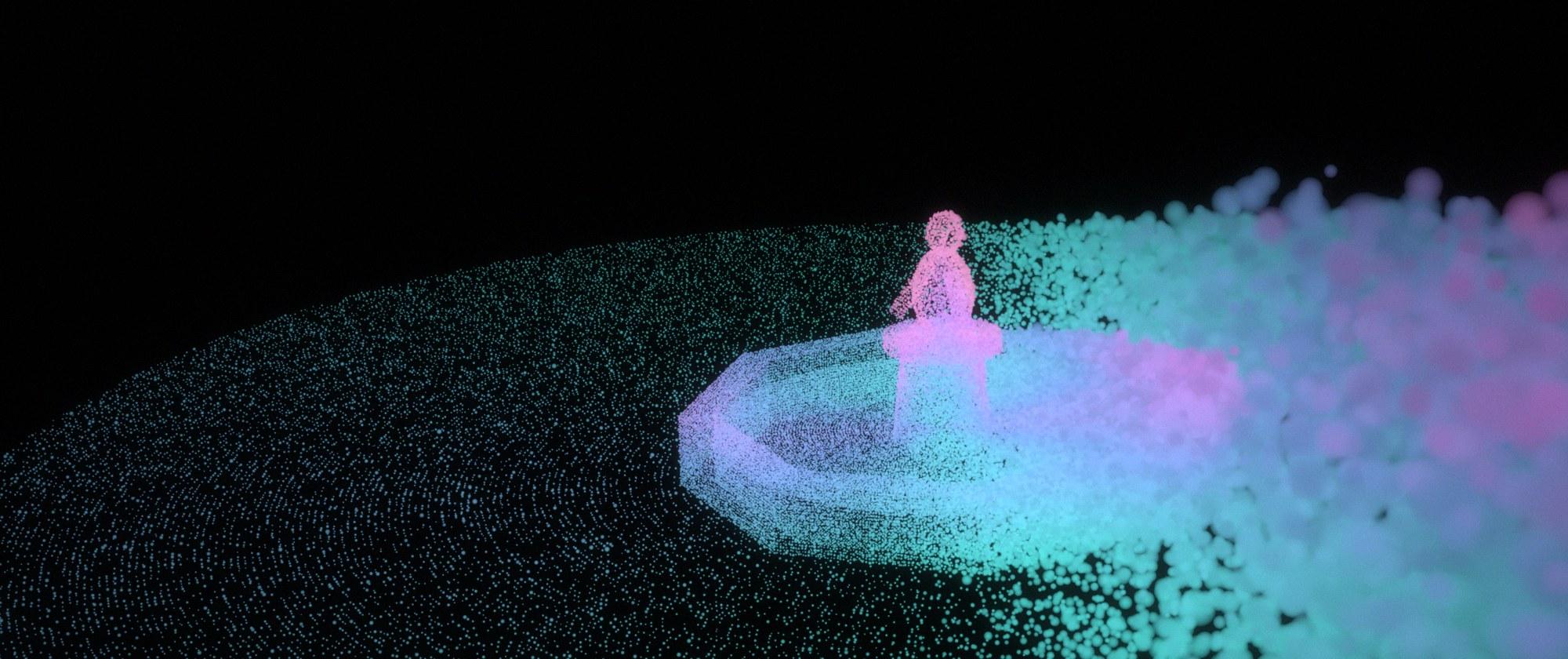
A radiance field represents a scene by how light leaves every point in it, rather than by a surface mesh, which is why it reproduces reflections, glass, foliage, hair and the general mess of real places that photogrammetry struggles with. NeRFs showed the quality was possible; Gaussian splatting, which represents the scene as millions of small, soft 3D blobs optimized to match the photos, made it fast enough to view in real time on consumer hardware. Laan Labs compared NeRFs, splats and meshes on the same assets in its InfraTech case study and now uses splats for most visualization work, with LiDAR and photogrammetry alongside where measurement is needed.
What sets the work apart is depth across the whole pipeline. Laan Labs does not just run an open-source trainer: it ported a state-of-the-art CUDA splat trainer to Metal so that training runs natively on Apple Silicon with no cloud, wrote the renderers that display millions of splats on Mac, iPhone, iPad and Apple Vision Pro, and built the editing, compression and export tools that turn a raw training result into something a client can use. The story of that port is in Gaussian Splat Training on Apple Silicon with Metal.
What we do
- Capture workflow design
- Protocols for phones, 360° cameras and drones that produce reliable reconstructions of rooms, buildings, vehicles, aircraft and objects, including masking, exposure and coverage guidance for field teams who are not 3D specialists.
- Local and on-premises training
- Gaussian splat training that runs on a Mac or a client's own hardware rather than a cloud service, for confidential sites, large captures and workflows that cannot upload imagery. Structure from motion, training, cleanup and export in one pipeline.
- Custom trainers and renderers
- Laan Labs maintains its own Metal-based splat engine and brings new research into it as papers are published, so clients get current quality and speed without waiting for a vendor. Renderers run on macOS, iOS, visionOS and the web.
- Hybrid capture: splats, LiDAR and photogrammetry
- Splats for appearance, LiDAR and photogrammetry for scale, measurement and geometry, aligned into one record. This is the basis of RadianceView, where an inspector measures on the scan and reads detail in the photographs, all tied to the same location.
- Editing, compression and delivery
- Cropping, cleanup, masking and transforms; compression to SPZ and SOG for fast loading; delivery in web viewers, native apps, RadianceView, and Apple Vision Pro, where a splat scene can be walked through at scale.
- Dynamic and volumetric capture
- Multi-camera capture of moving subjects, from the original 15-iPhone NeRF bullet-time rig to current work on dynamic splats, for film, sports and product applications.
How we work
Radiance field projects usually start with a capture test: Laan Labs scans a representative asset with the client's likely equipment, trains it, and reviews the result together, so decisions about capture method, quality targets and delivery format are made on real output rather than demos.
From there the engagement can be a complete workflow built and handed over, a licensed pipeline the client runs, or ongoing capture and processing as a service. Many clients combine this with 3D capture technology licensing or spatial computing work to put the results in front of their own users.
Related work
InfraTech 3D Scanning
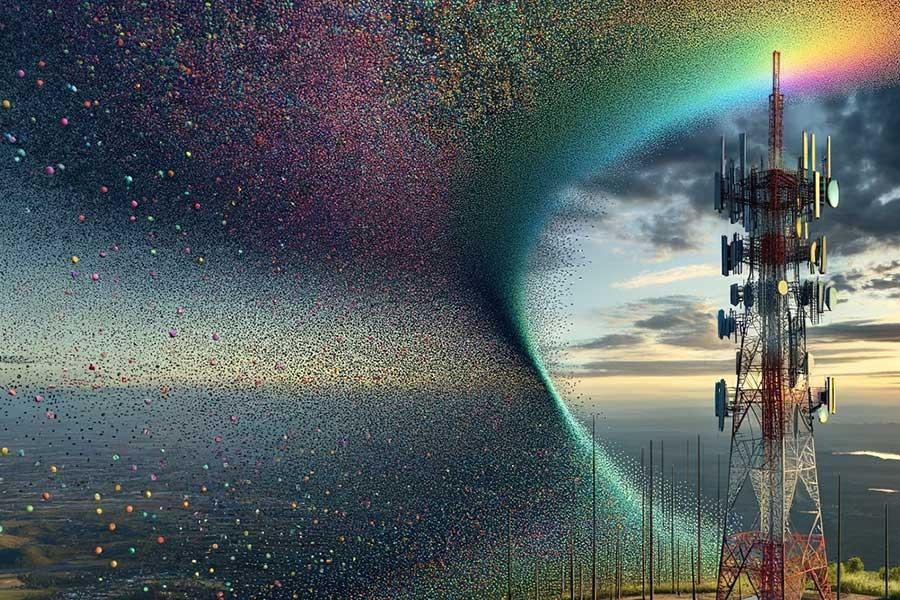
Workflow overview of how mobile phones are used to capture and create various 3D representations such as NeRF's and Gaussian Splats for managing InfraTech Assets.
RadianceView Aircraft Documentation
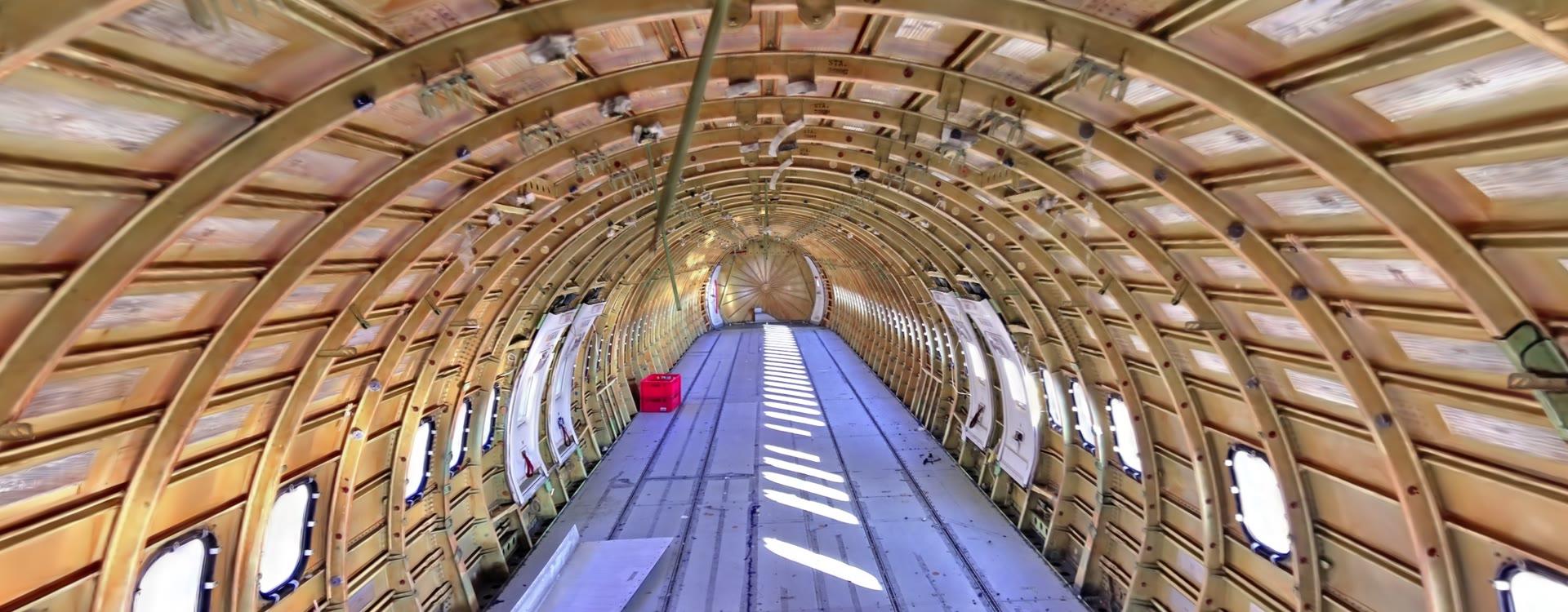
Before a retired airliner is taken apart, its parts need a record. This is how RadianceView and an iPhone turn an aircraft into one: the whole airframe as a splat, the detail as photographs, every finding tied to where it was seen.
Asset Documentation
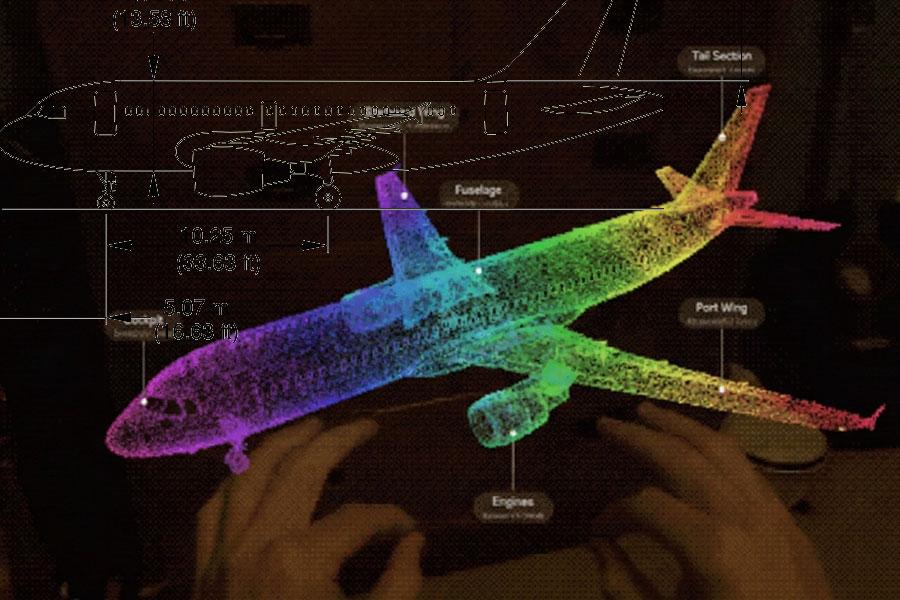
How Laan Labs is transforming the way industries document, inspect, and collaborate on critical assets using spatial computing and AI for Rapid Inspection & Documentation (RID).
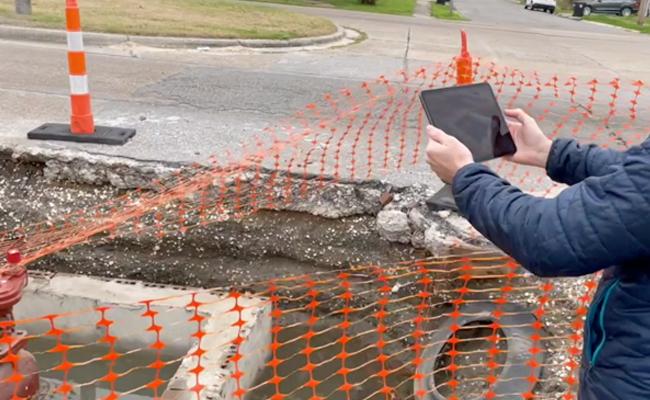
Mobile LiDAR Workflows
How professionals are incorporating mobile LiDAR Scanning into their operations
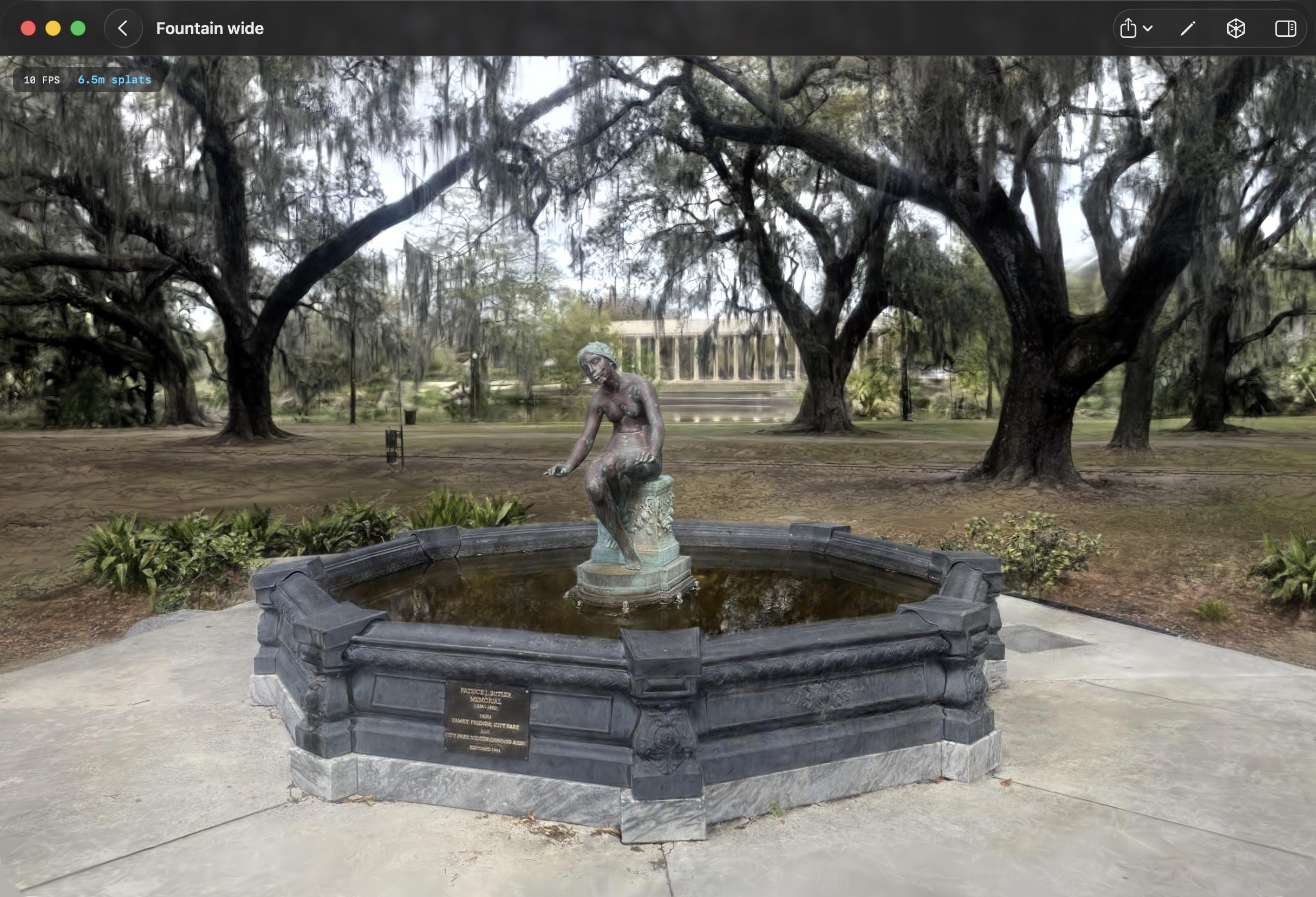
Gaussian Splat Training on Mac with Metal
Most Gaussian splatting trainers are built on CUDA for NVIDIA GPUs. We ported a CUDA splat trainer to Metal so it runs natively on Apple Silicon. The result is 3D Splat App, a free app that trains splats locally on your Mac.
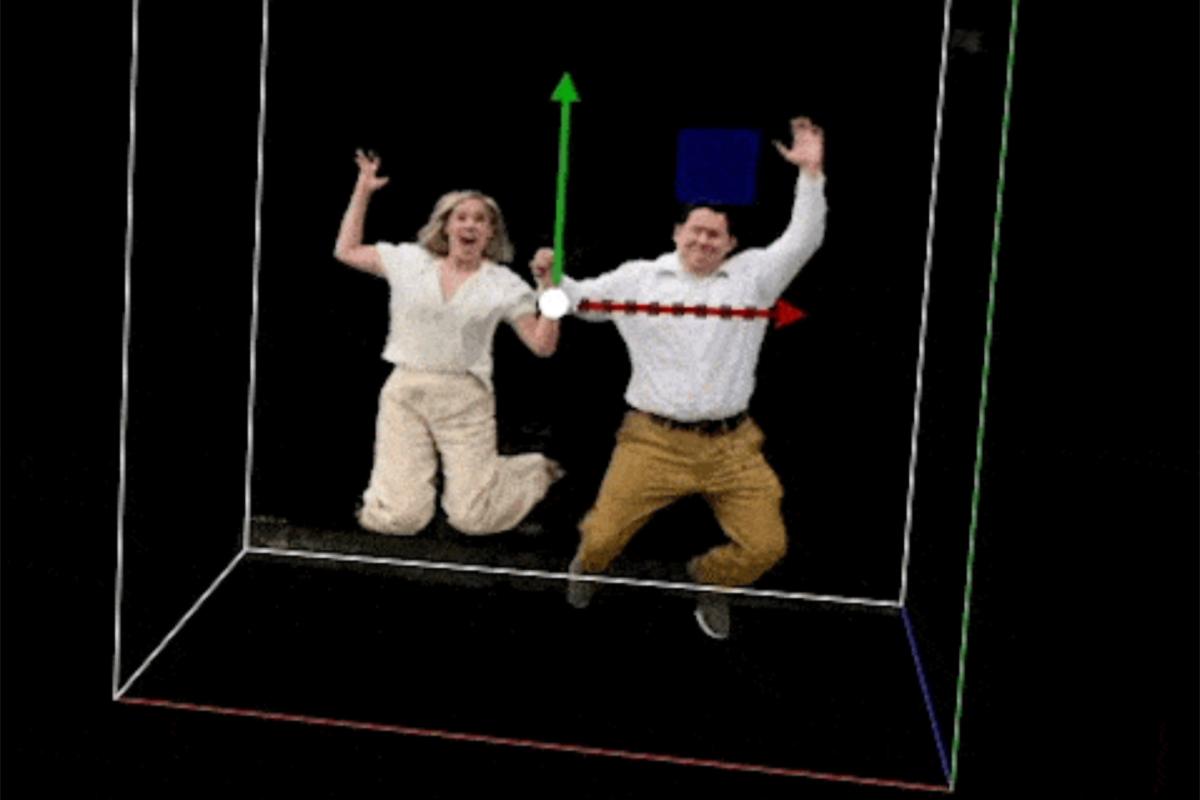
Bullet Time with NeRFs
How we used 15 synchronized iPhones and Neural Radiance Fields (NeRFs) to capture Matrix-style "bullet time" volumetric video, freezing moments in 3D space.
Products built with this work
- 3D Splat App — Train, view and edit Gaussian splats on Mac, free
- RadianceView — Splats, LiDAR and photographs in one inspection record
Common questions
Is Gaussian splatting better than NeRFs?
For almost all production work today, Gaussian splatting. It matches the image quality of the best NeRFs, trains in minutes, and renders in real time on ordinary hardware, which makes interactive viewers, inspection and web delivery practical. NeRFs remain useful for research and some dynamic-scene methods, and Laan Labs has built with both since 2022.
Can a Gaussian splat be measured or used for inspection?
On its own a splat is a visual record, not a surveyed one. Laan Labs pairs splats with LiDAR or photogrammetry so the scene has true scale and measurable geometry, and ties high-resolution photographs to locations in the scene. That combination is what RadianceView delivers, and it has been used to document entire aircraft for parts reuse.
What equipment do we need to capture a scene?
A recent iPhone is enough for rooms, objects and vehicles. 360° cameras speed up large interiors, drones cover exteriors and sites, and mirrorless cameras give the highest quality. Laan Labs designs the capture protocol around the equipment a client already has and the detail the result needs.
Does training require sending our imagery to the cloud?
No. Laan Labs trains Gaussian splats locally on Apple Silicon Macs and can set up on-premises processing, so confidential sites, aircraft, facilities and products never leave the client's control. 3D Splat App does this for individual users; for teams Laan Labs builds the same pipeline into their workflow.
How large a scene can be captured?
From a single part to an entire airliner or building. Large scenes are captured in sections and aligned, trained at resolutions the viewing device can handle, and compressed for delivery. The limit is usually capture time and the viewing hardware rather than the technique.
What formats can splats be delivered in?
Standard PLY, compressed PLY, SPZ and SOG, which load in web viewers and tools such as SuperSplat, in Unity and Unreal via plugins, and in Laan Labs' own viewers for Mac, iPhone, iPad and Apple Vision Pro. Hybrid captures also export meshes, point clouds and photographs in standard formats.
Start a conversation
Tell us about the project and one of the founders will reply. Email labs@laan.com or use the contact form.
Related services: Capture Pipelines & Inspection, Spatial Computing, AR & VR, 3D Capture & Licensing
Industries: Real Estate, Utilities & Infrastructure, Aerospace & MRO, Construction & AEC