Automotive
Computer vision and 3D capture for vehicles: guided photography, real-time pose estimation, condition records, and scans for fitment and custom parts.
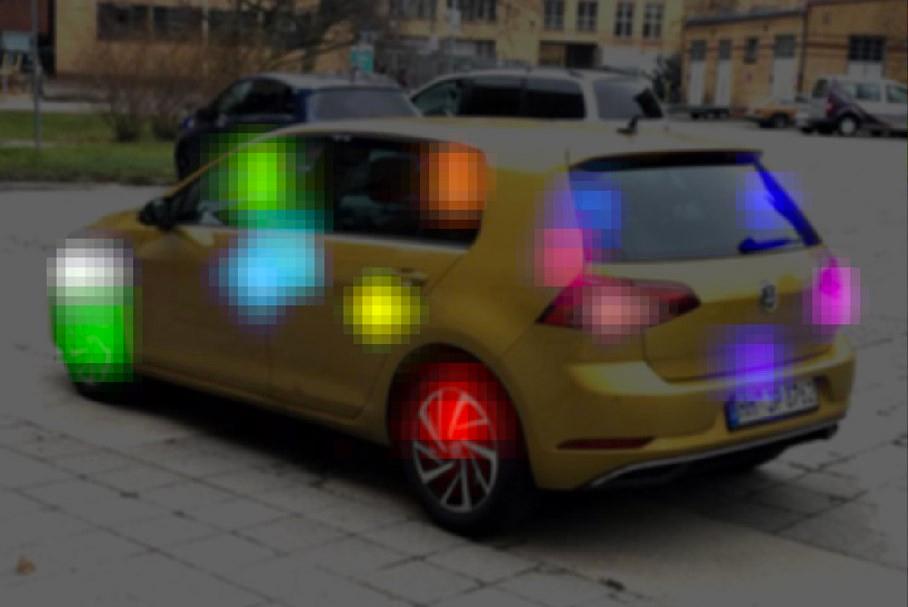
Laan Labs builds computer vision and 3D capture software for automakers, dealers, online marketplaces, insurers and aftermarket companies. A phone recognizes a vehicle, estimates its position and orientation in real time, guides the person holding it to the right shots, and records the car as photographs, a 3D scan or a photorealistic splat. For a German automaker, Laan Labs built an app that guides car sellers to consistent, high-quality photographs using a custom-trained pose estimation network.
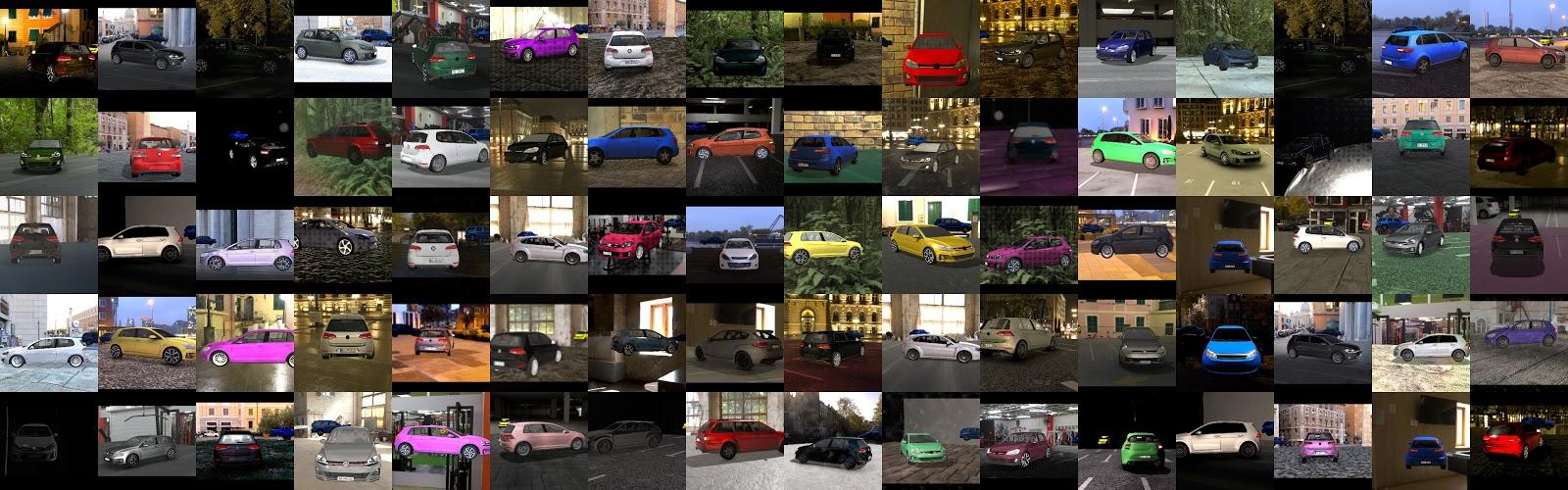
Cars are hard subjects for computer vision. They are large, glossy and reflective, they look different in every light and setting, and the people photographing them are sellers, owners and technicians, not photographers. Laan Labs has worked on the problem from both ends: the models that understand a vehicle in a camera frame, and the synthetic training data that makes those models affordable to train, with more than 10,000 labeled images rendered instead of photographed and annotated by hand.
The same capture serves the workshop. A scan of an engine bay, a wheel arch or an interior gives a builder or parts maker real geometry to design against, and a dated 3D record of a vehicle shows what condition it was in at handover, at return or before a repair.
How Laan Labs helps
- Guided vehicle photography
- A capture flow that recognizes the car, shows the seller where to stand for each standard exterior and interior shot, and checks framing, lighting and focus before the photo is accepted, so listings look consistent whoever took them.
- Real-time vehicle pose estimation
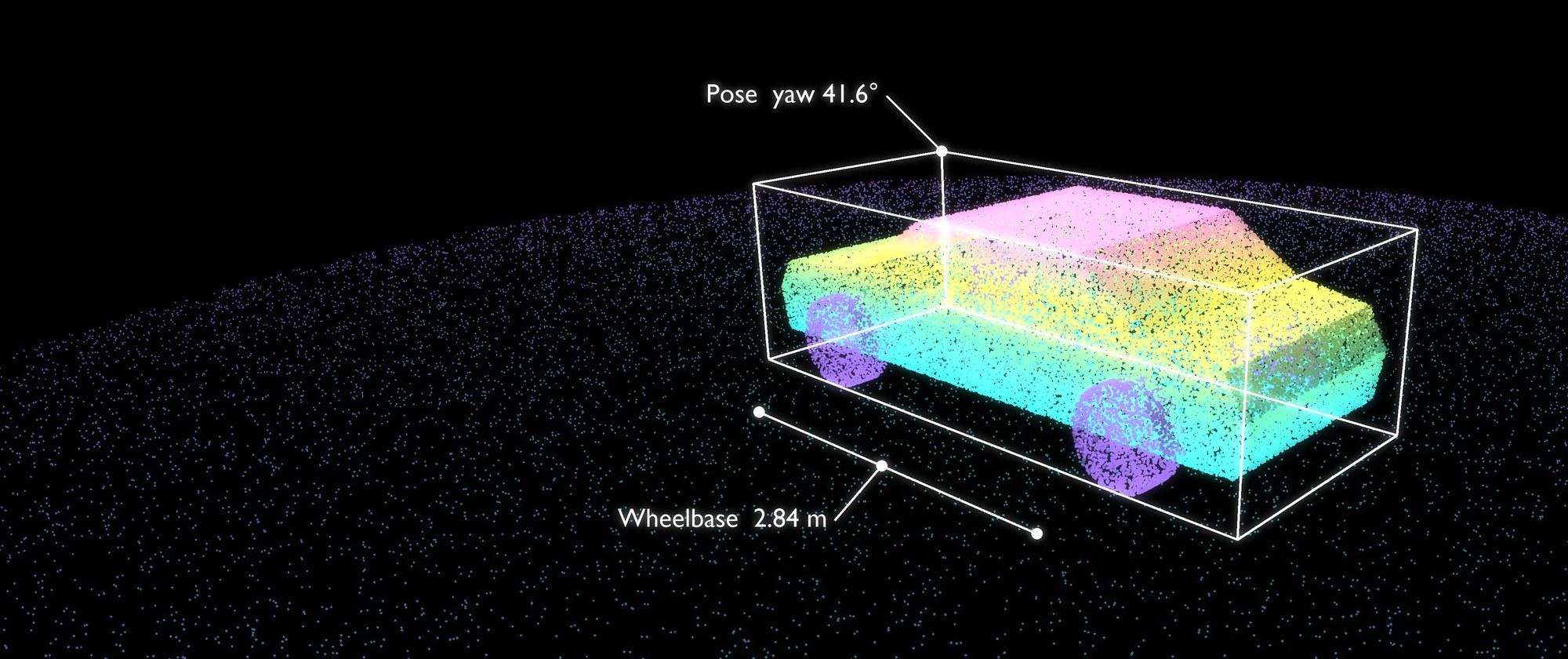
- Neural networks that estimate the position and orientation of a car from a phone camera, on the device and in real time, as described in real-time 3D car pose estimation trained on synthetic data.
- Synthetic training data
- Photorealistic renders of vehicles across models, colors, lighting, weather and backgrounds, with pose, outline and keypoint labels computed from the 3D scene, replacing most of the photography and manual annotation a vision model otherwise needs.
- AR on and around the vehicle
- Graphics, features and accessories anchored to a real car at true scale on a phone, tablet or headset, for product explanation, configuration, owner guidance and service instructions.
- Condition and damage records
- A walk-around capture at check-in, lease return, rental handover or first notice of loss, with each photograph and finding tied to its place on the vehicle. The same approach serves insurance claims.
- Scans for fitment and custom parts
- LiDAR and photo scans of engine bays, wheel arches, interiors and body panels, exported as meshes for CAD, so brackets, body kits, wraps and interior parts are designed against the real vehicle and not a drawing of it.
- Photorealistic 3D for listings and showrooms
- Gaussian splat captures of a vehicle, inside and out, that reproduce paint, glass and chrome better than a conventional 3D scan and open in a browser from the listing page.
Where to start
Most automotive projects start with one step in one workflow, such as listing photographs for a marketplace, return inspections for a fleet, or scans for one family of aftermarket parts. Laan Labs builds a working prototype in weeks and tests it on real vehicles in real conditions, outdoors and in poor light, because that is where vehicle vision systems succeed or fail.
The result can be delivered as a white-label app, as components inside an existing app, or as trained models and the data pipeline behind them. See computer vision and AI development and 3D capture and technology licensing.
Related work
Automotive Photography
Improving the quality of car photography using Computer Vision
Car Dataset Generation
Reducing the cost of neural network training for car pose estimation using Synthetic Data
Mobile LiDAR Workflows
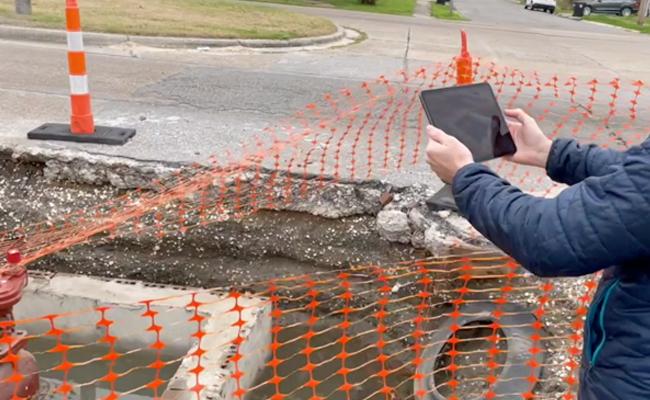
How professionals are incorporating mobile LiDAR Scanning into their operations
3D Scanner Integration
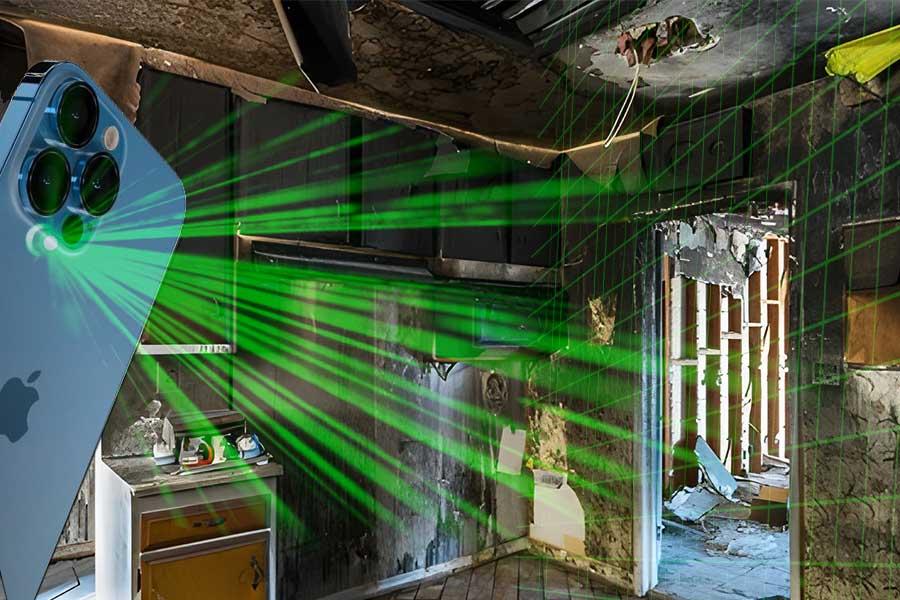
How Licensing 3D Scanner App Revolutionized An Insurance Company's Workflow
3D Car Pose Estimation
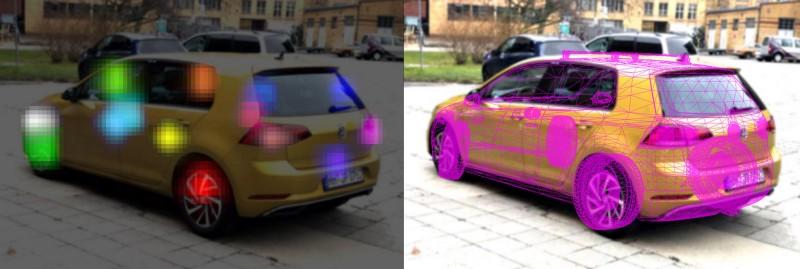
We'll demonstrate how to create a neural network with synthetic data for the task of real-time 3D pose estimation of vehicles.
Photogrammetry & Annotation
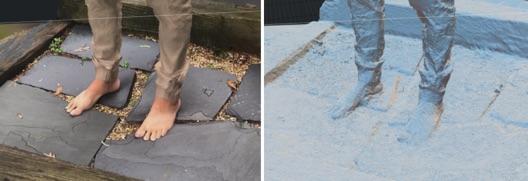
How to label 1000s of video frames with only a few annotated images
Gaussian Splat Training on Mac with Metal
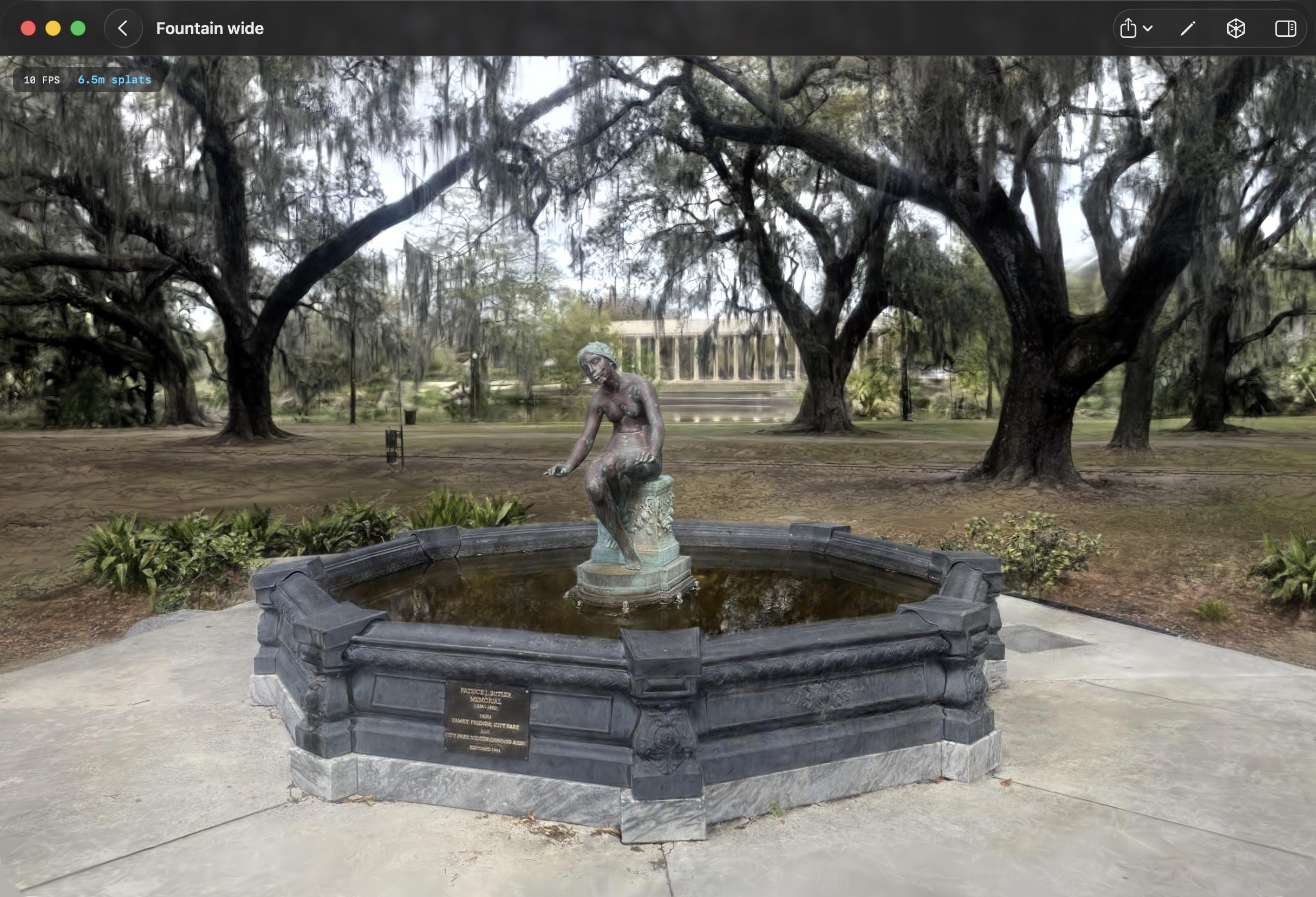
Most Gaussian splatting trainers are built on CUDA for NVIDIA GPUs. We ported a CUDA splat trainer to Metal so it runs natively on Apple Silicon. The result is 3D Splat App, a free app that trains splats locally on your Mac.
Laan Labs products in this field
- 3D Splat App — Photorealistic Gaussian splat captures on Mac
- RadianceView — Scans, splats and photographs as one condition record
Common questions
Can a phone tell where a car is and how it is oriented?
Yes. Laan Labs trained a neural network that estimates the 3D pose of a car from a phone camera in real time and used it in an app for a German automaker to guide sellers into the correct position for each photograph. The model runs on the device, so the guidance responds as the person moves.
Why train vehicle models on synthetic data?
Real photographs of cars have to be taken in many places and labeled by hand, which is slow, expensive and error-prone, especially for 3D pose. Synthetic images are rendered from 3D car models with exact labels generated automatically, and can cover colors, lighting, weather and backgrounds that are hard to collect. Laan Labs generated more than 10,000 labeled images this way for a car pose estimation project.
Is a phone scan accurate enough to design parts for a vehicle?
For packaging, clearances, routing and the general shape of a panel or bay, yes: iPhone and iPad LiDAR is accurate to roughly the centimeter, and the TrueDepth sensor resolves finer detail at close range. Parts that must fit to a millimeter or better, such as mounting faces and bolt patterns, should be checked against a structured-light or laser scan or measured directly. Laan Labs builds workflows that use each where it fits.
How are shiny paint and glass handled?
Reflective and transparent surfaces are difficult for depth sensors and photogrammetry alike. Gaussian splatting reproduces their appearance well because it models how light leaves the surface, and guided capture helps by controlling angles and coverage. Where clean geometry of a glossy panel is required, a matte scanning spray or a dedicated scanner is still the reliable route.
Start a conversation
Tell us about the project and one of the founders will reply. Email labs@laan.com or use the contact form.
Services for this industry: Computer Vision & AI, 3D Capture & Licensing, Gaussian Splatting, Spatial Computing, AR & VR
Other industries: Insurance & Claims, Real Estate, Medical & Body Scanning, Robotics & Automation, Utilities & Infrastructure, Aerospace & MRO, Construction & AEC, Manufacturing & Inspection, Media, VFX & Games, Art, Museums & Heritage