Media, VFX & Games
Photorealistic capture of places, props and people for film, television, games and immersive media: Gaussian splats, radiance fields, set scans and volumetric video.
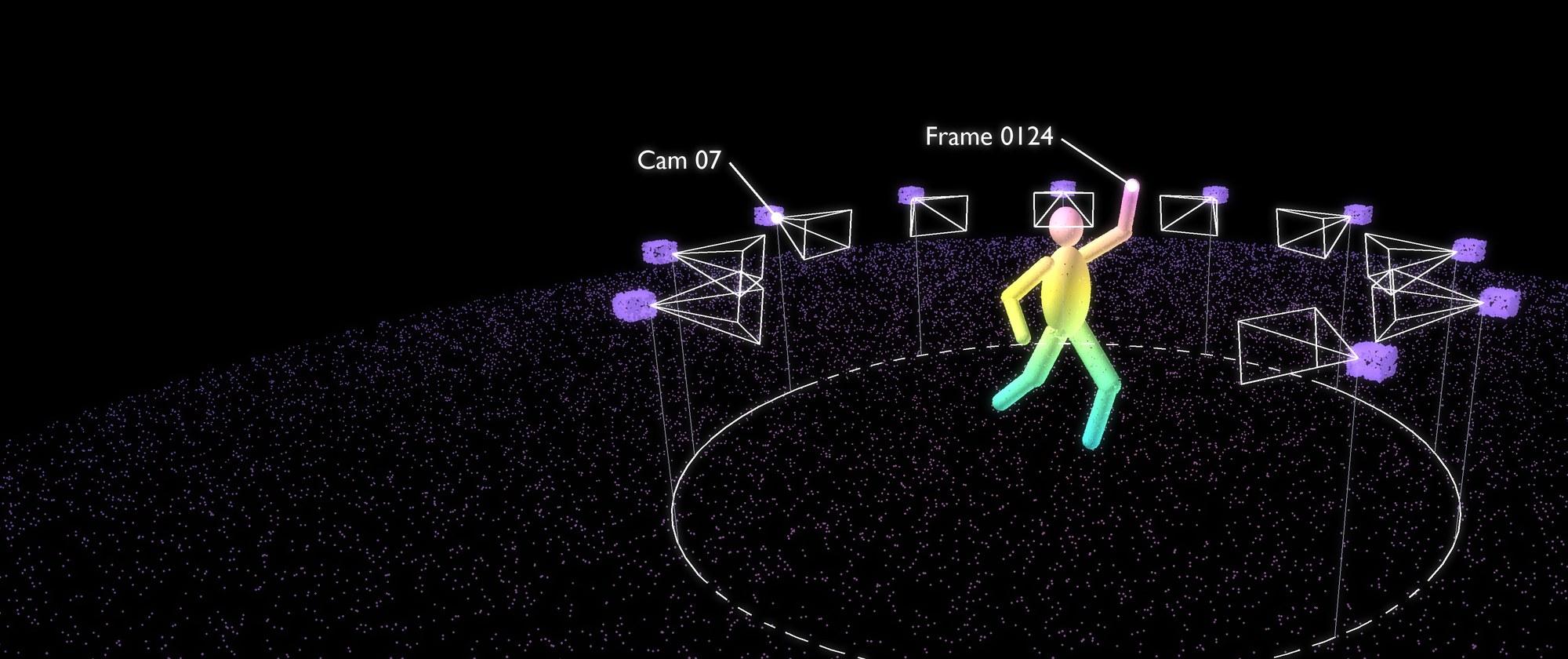
Laan Labs builds capture and rendering technology for film and television production, VFX studios, game developers and immersive media teams. Locations, sets, props and performers are captured with phones and ordinary cameras and reconstructed as Gaussian splats, radiance fields or meshes that go into a production pipeline. Laan Labs recorded volumetric "bullet time" video with 15 synchronized iPhones and NeRFs and wrote its own Gaussian splat trainer and renderer in Metal for 3D Splat App.
Production has always needed the real world in digital form: a location to plan shots in, a set to extend, a prop to rebuild, a performance to see from an angle no camera was at. Until recently that meant a LiDAR crew, a photogrammetry rig or a volumetric stage. Phones with depth sensors and radiance field reconstruction have changed the cost. A scout scans a location in minutes, a VFX supervisor records the set between takes, and an artist starts from a capture of the real object.
Laan Labs has worked with media companies including HBO, NBC, MTV and TBS, and has seen its scanning technology adopted across film, television and game production, from location planning and storyboarding to building game assets from scanned objects.
How Laan Labs helps
- Location and set capture
- LiDAR and photo scans of locations and sets at true scale, for scouting, shot planning, storyboarding and previs, and as a measured reference for set extension and match-moving in post-production.
- Photorealistic environments
- Gaussian splat and radiance field captures that reproduce a place with its light, reflections and fine detail, for virtual scouting, review with a director or client, background environments and immersive experiences. Quality depends on how thoroughly the place was photographed.
- Props and game assets
- Real objects, vehicles and environments scanned and delivered as textured meshes in OBJ, USD and glTF, giving artists an accurate starting point to retopologize and optimize, in place of modeling from photographs.
- Volumetric and bullet-time capture
- Synchronized multi-camera rigs built from phones, with time alignment, color matching and per-frame reconstruction, producing a moment or a short performance that can be viewed from the range of angles the cameras covered. Quality is best near the camera positions and falls off between and beyond them.
- Faces and performers
- Close-range scans of faces, hands and bodies from the iPhone TrueDepth sensor and from photographs, as reference for digital doubles, character work and fitting of costumes and prosthetics.
- Custom trainers and renderers
- Reconstruction and real-time rendering written for the hardware in use, including training on Apple Silicon without a cloud upload, compression to SPZ and SOG, and viewers for the web, iPhone, iPad and Mac.
- Immersive playback
- Captures shown at full scale on Apple Vision Pro, Meta Quest and other headsets, for location review, exhibitions and audience-facing experiences.
- AI for video and content
- Vision and language models that watch and describe video at scale, as in CreatorView, built with Glow Agency to assess creator and brand fit across social media content.
Where to start
A first project is usually one capture problem on one production: a location that has to be revisited after the crew has left, a prop that needs a digital copy, or a shot that calls for a frozen moment. Laan Labs builds and runs the capture, delivers the result in the formats the pipeline expects, and documents what coverage and conditions were needed to get it, so the method can be repeated by the production's own team.
Studios and tool makers that want the technology inside their own software can license it or commission components. See Gaussian splatting and radiance fields and spatial computing, AR and VR development.
Related work
Mobile LiDAR Workflows
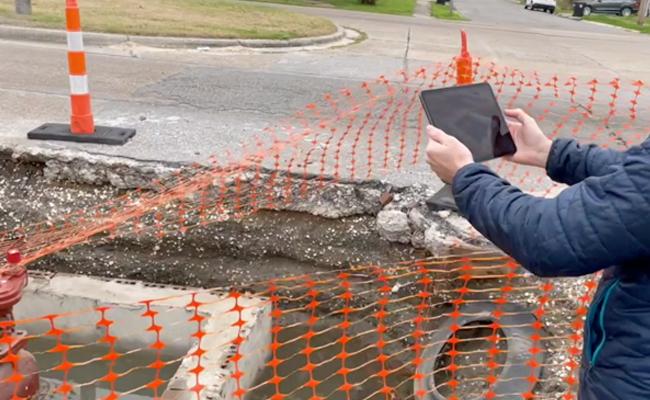
How professionals are incorporating mobile LiDAR Scanning into their operations
InfraTech 3D Scanning
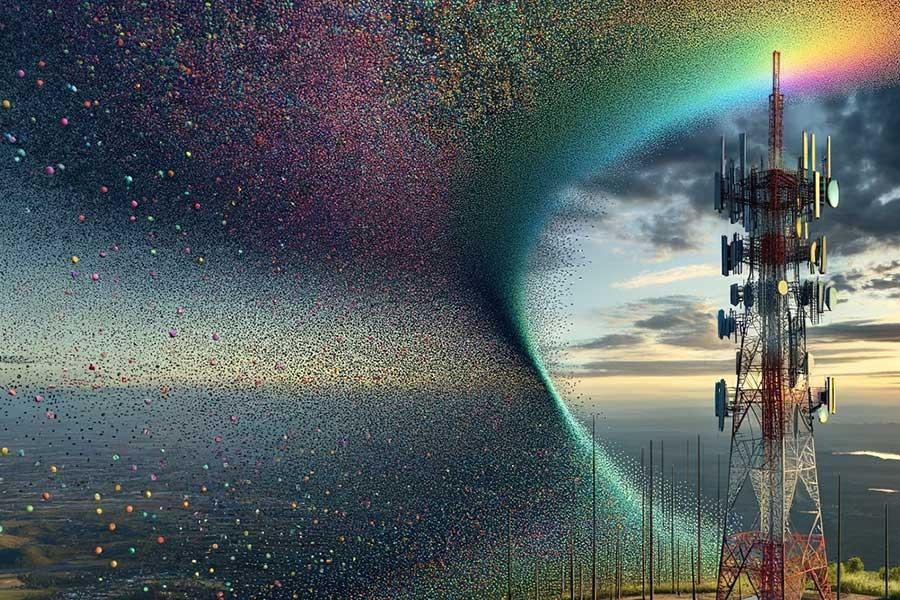
Workflow overview of how mobile phones are used to capture and create various 3D representations such as NeRF's and Gaussian Splats for managing InfraTech Assets.
Gallery and Artwork Documentation
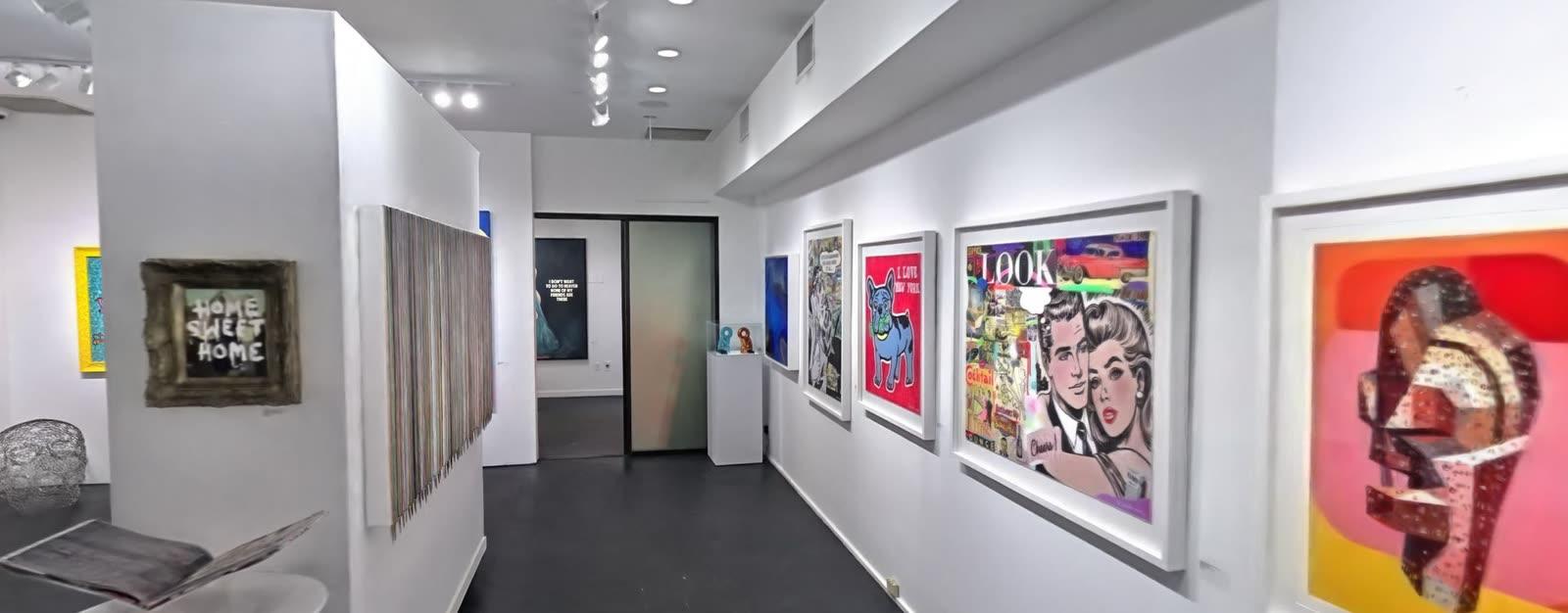
First the gallery is scanned as a Gaussian splat and a floorplan is drawn over it. Then each work is captured with a phone, for viewing and as a record of its condition. A marker on the plan opens the piece that hangs there.
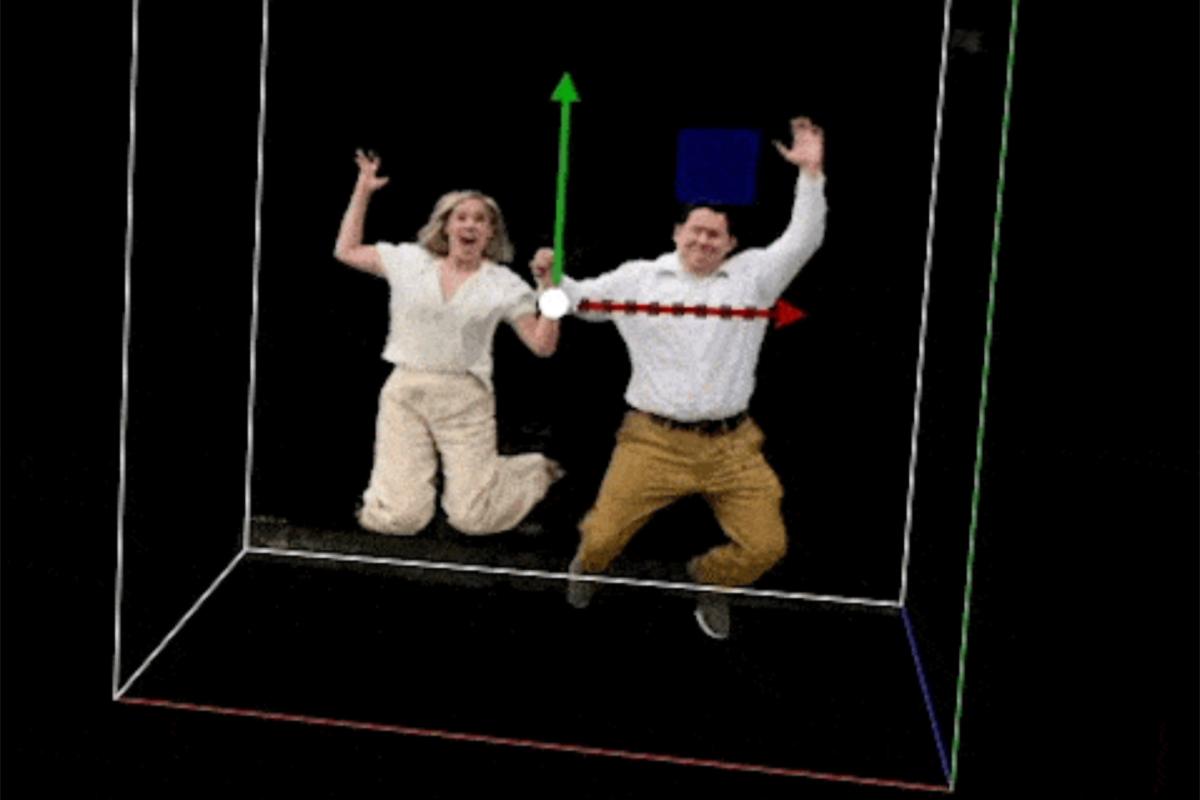
Bullet Time with NeRFs
How we used 15 synchronized iPhones and Neural Radiance Fields (NeRFs) to capture Matrix-style "bullet time" volumetric video, freezing moments in 3D space.
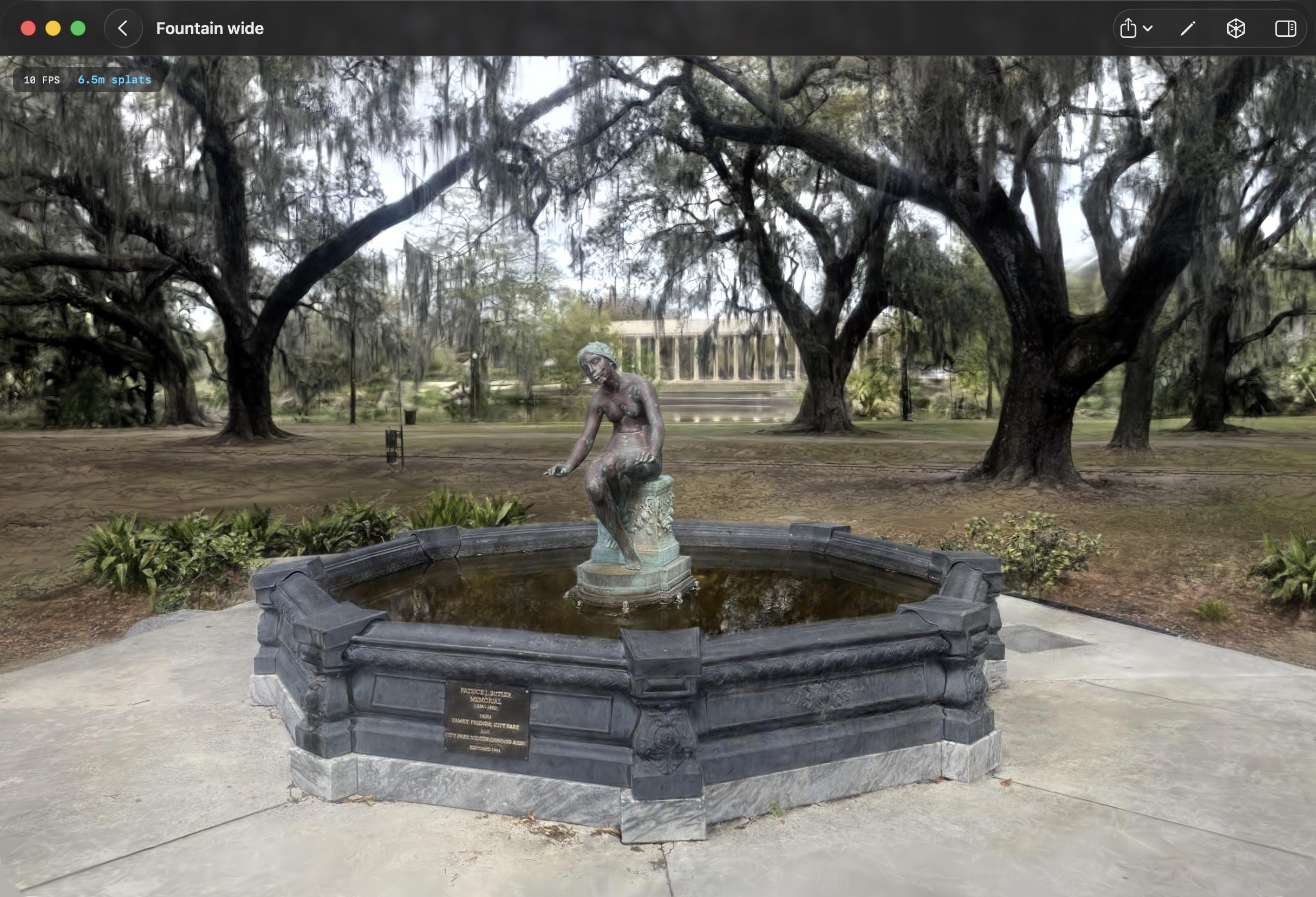
Gaussian Splat Training on Mac with Metal
Most Gaussian splatting trainers are built on CUDA for NVIDIA GPUs. We ported a CUDA splat trainer to Metal so it runs natively on Apple Silicon. The result is 3D Splat App, a free app that trains splats locally on your Mac.
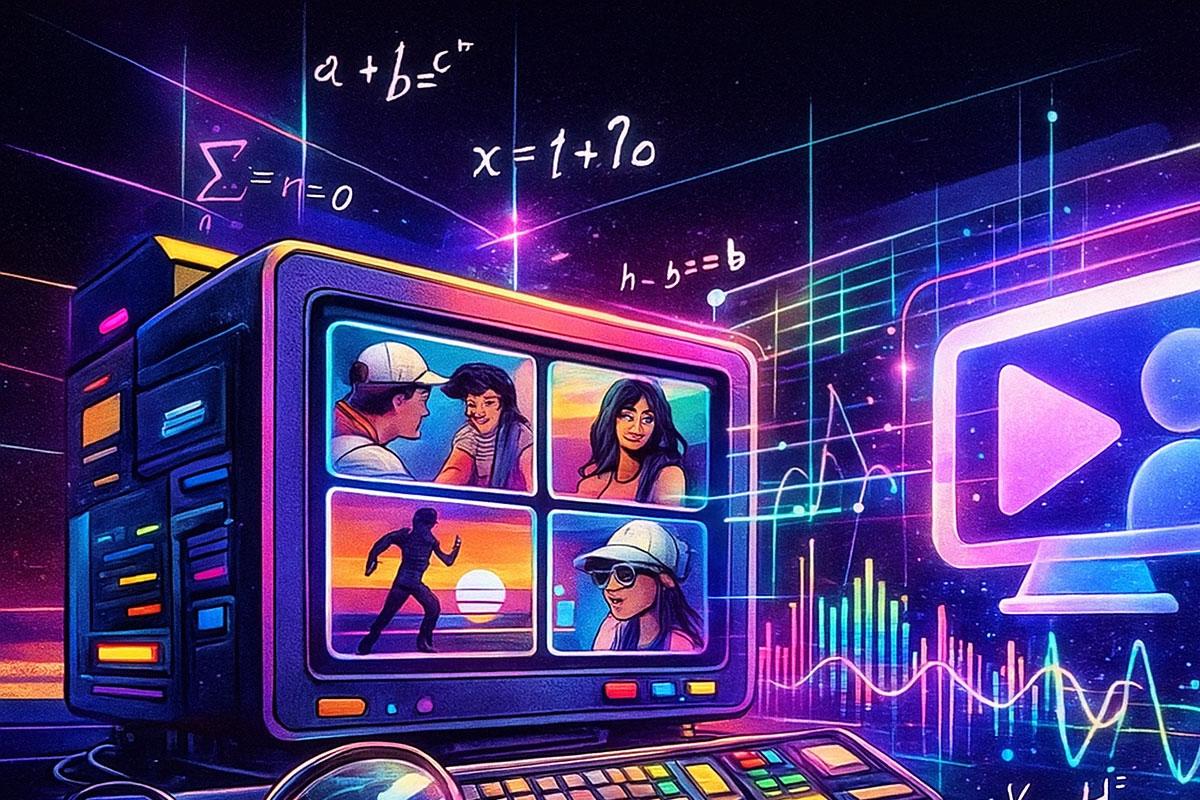
CreatorView
How Laan Labs partnered with Glow Agency to build an AI system that watches and analyzes social media content to instantly assess creator-brand fit.
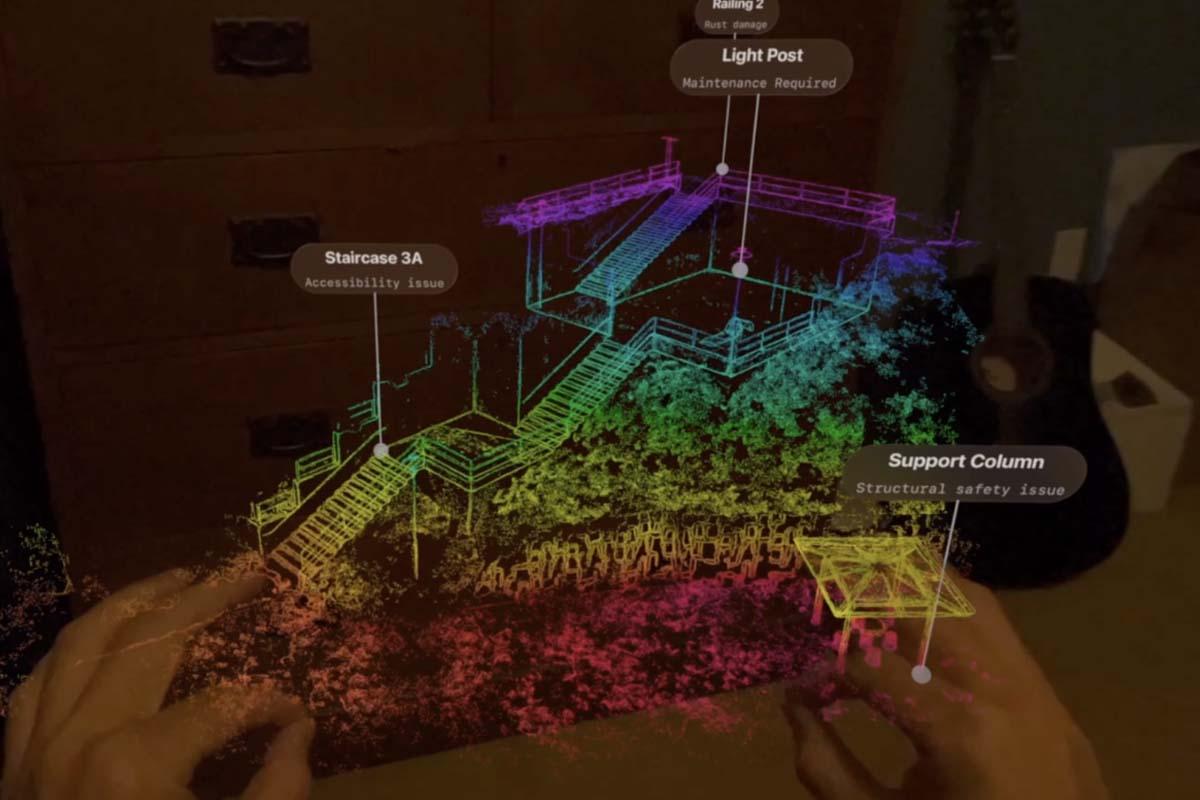
Apple Vision Pro
Our hands-on experiments with Apple Vision Pro, including building AirDraw - a finger painting app for visionOS - plus insights on spatial computing development and what excites us about the platform.
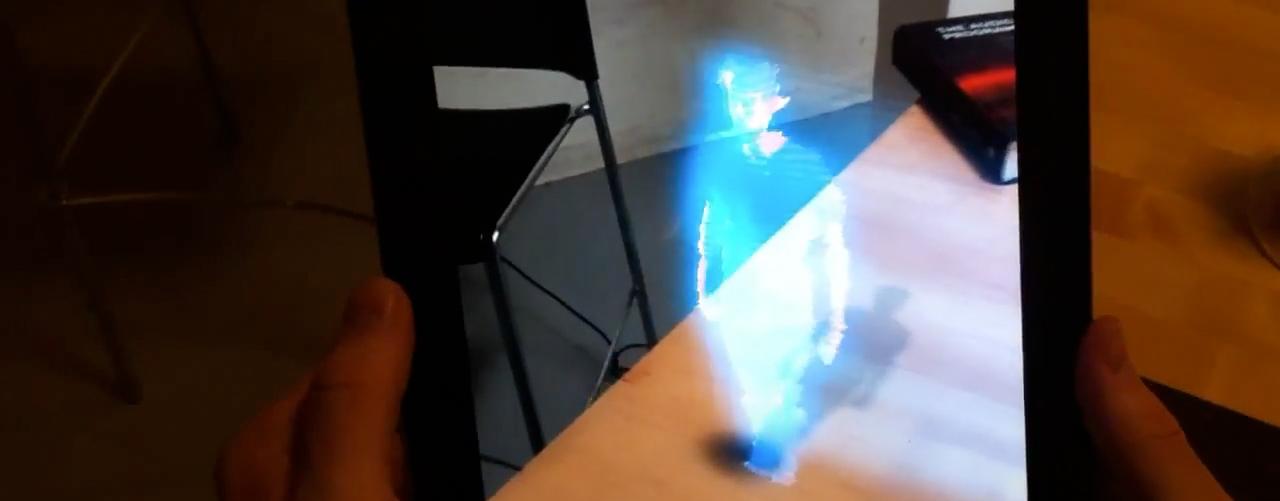
Kinect 3D Video
An experiment in displaying 3d video in Augmented Reality
Laan Labs products in this field
- 3D Splat App — Gaussian splat training and viewing on Mac, with no cloud upload
- RadianceView — Splats, scans and photographs shared as one link
Common questions
When should a production use a Gaussian splat and when a mesh?
A splat reproduces how a place looks, including reflections, glass, foliage and fine detail, and is quick to make, which suits scouting, review, backgrounds and immersive viewing. A mesh has surfaces that can be lit, collided with, rigged and edited, which suits assets and anything that has to interact with other elements. Many projects use both from the same capture: the splat for appearance and a LiDAR or photogrammetry mesh for geometry and scale.
What equipment is needed to capture a location or a prop?
A recent iPhone or iPad covers most location, set and prop scans, and any good camera can supply photographs or video for a Gaussian splat. Volumetric and bullet-time capture needs several synchronized cameras; Laan Labs has built such a rig from 15 iPhones on tripods.
Can captures be used in game engines and VFX software?
Meshes are delivered as OBJ, USD or glTF with textures and load in standard game engines and content creation tools. Gaussian splats are delivered as PLY, SPZ or SOG and play in web viewers, native apps and headsets, and in engines and tools that support splats natively or through plug-ins. Laan Labs builds the conversion for the specific pipeline in each project.
Can unreleased material stay on our own machines?
Yes. Laan Labs trains Gaussian splats locally on Apple Silicon Macs, which is how 3D Splat App works, and can run the whole pipeline on a studio's own hardware, so footage of sets, talent and unreleased work is not uploaded to a third-party cloud.
Start a conversation
Tell us about the project and one of the founders will reply. Email labs@laan.com or use the contact form.
Services for this industry: Gaussian Splatting, Spatial Computing, AR & VR, Computer Vision & AI, Rapid Prototyping
Other industries: Insurance & Claims, Real Estate, Medical & Body Scanning, Robotics & Automation, Utilities & Infrastructure, Aerospace & MRO, Construction & AEC, Automotive, Manufacturing & Inspection, Art, Museums & Heritage