Spatial Computing: AR, VR & Headset Development
Apps that understand and render the physical world, on Apple Vision Pro, Meta Quest, Android XR, smart glasses, phones and the web.
Laan Labs develops spatial computing applications across the whole range of AR, VR and mixed reality devices: Apple Vision Pro, Meta Quest, Android XR headsets, enterprise headsets, smart glasses, and augmented reality on iPhone, iPad and Android. The work covers the full stack, from tracking and scene understanding to real-time 3D rendering of scans, meshes and Gaussian splats and the interaction design that makes it usable with hands, eyes and controllers. Laan Labs published AirDraw, a 3D painting app for Apple Vision Pro, and uses headsets in client work such as aerospace parts inspection, where an inspector reviews 3D captures and photographs in place.
Headsets differ in price, optics, input and audience, but the hard problems are the same on all of them: tracking that holds, virtual geometry that lines up with the real room, rendering that stays smooth with millions of primitives at 90 frames per second in each eye, and interaction that feels natural rather than learned. Laan Labs has been building augmented reality since ARKit launched, wrote one of the first LiDAR scanning apps for iPhone, and now trains and renders Gaussian splats natively on device. That foundation carries from one platform to the next.
It also means Laan Labs can advise on which device fits a project rather than starting from a favorite. Apple Vision Pro offers the best displays and hand and eye input for professional work where quality matters more than unit cost. Meta Quest puts capable mixed reality in many more hands at a fraction of the price, which suits training, field deployment and consumer reach. Android XR opens a third ecosystem. Enterprise headsets and smart glasses fit hands-busy industrial work. And for many products the right answer is still the phone already in the user's pocket.
Typical projects are measurement, inspection and documentation tools for industrial and real estate clients, AR product visualization such as planning a kitchen in your own home, training and guided work, creative tools, and viewers that bring 3D captures to the device where the work happens.
What we do
- Apple Vision Pro and visionOS
- Native visionOS applications with hand and eye interaction, windows, volumes and immersive spaces, shared experiences, and 3D content rendered with RealityKit or custom Metal pipelines.
- Meta Quest and Android XR
- Mixed reality and VR applications for Meta Quest and Android XR headsets, using passthrough, scene and room understanding, hand tracking and controllers, built natively or with Unity, Unreal Engine and OpenXR.
- Enterprise headsets and smart glasses
- Applications for industrial headsets and lightweight smart glasses where hands-free guidance, remote expertise and overlaying information on equipment matter more than immersion.
- Phone and tablet AR
- ARKit on iPhone and iPad and ARCore on Android for measurement, visualization, capture and guidance, with world tracking, LiDAR depth, people occlusion and object placement. Still the widest reach of any AR platform.
- Room and scene understanding
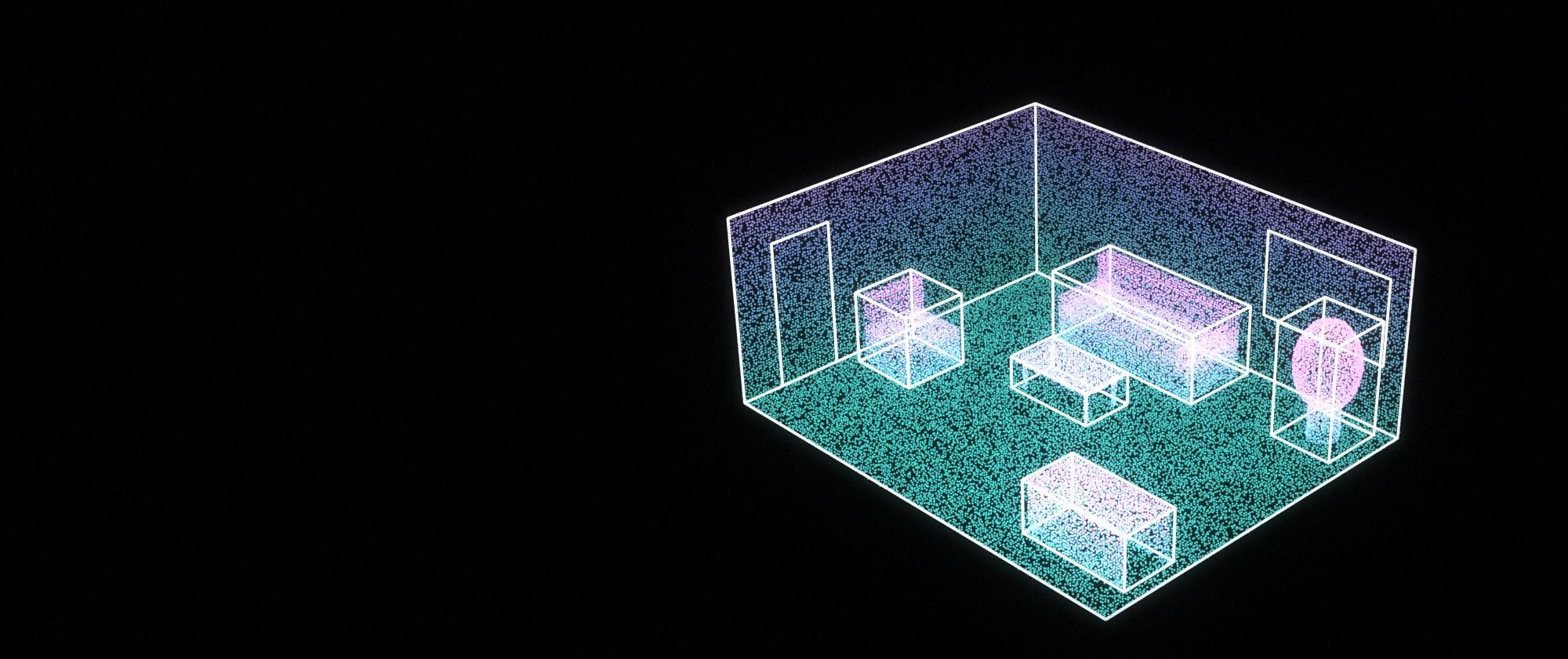
- Reconstruction that turns a walk through a space into walls, doors, windows, furniture and floor plans, with semantic labels that let virtual content respond to the real room, as used in Laan Labs' open-source OpenPlan3D editor.
- Real-time 3D rendering
- Custom renderers for point clouds, meshes and Gaussian splats tuned to each device's frame budget, including the Metal engine behind 3D Splat App, so a photorealistic capture of a real place can be walked through at full scale in a headset.
- Cross-platform and WebXR
- One experience delivered across several headsets through Unity, Unreal Engine or OpenXR, and browser-based AR and VR with WebXR when nothing should need installing.
- Capture to viewer pipelines
- Workflows that take a phone or headset capture through processing to a shareable 3D record, in the browser, on the device or in a headset, as in the RadianceView inspection platform.
How we work
Spatial projects usually begin with a short prototype on the target device, because the only way to evaluate an AR or VR idea is to put it on and try it. Laan Labs builds that prototype in weeks, with real tracking and real content, so the decision to proceed, and the choice of headset, is made on experience rather than mockups.
Production work then covers the full application: interaction design for hands, eyes and controllers, performance tuning for sustained frame rates, content pipelines, store submission or enterprise device management, and ongoing updates as the platforms change.
Related work
Asset Documentation
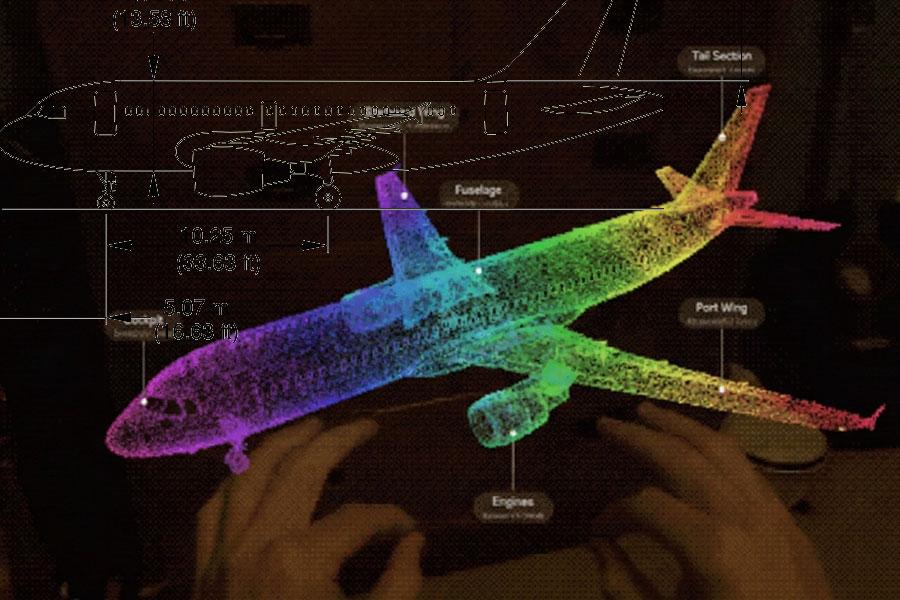
How Laan Labs is transforming the way industries document, inspect, and collaborate on critical assets using spatial computing and AI for Rapid Inspection & Documentation (RID).
Virtual Kitchen Planner
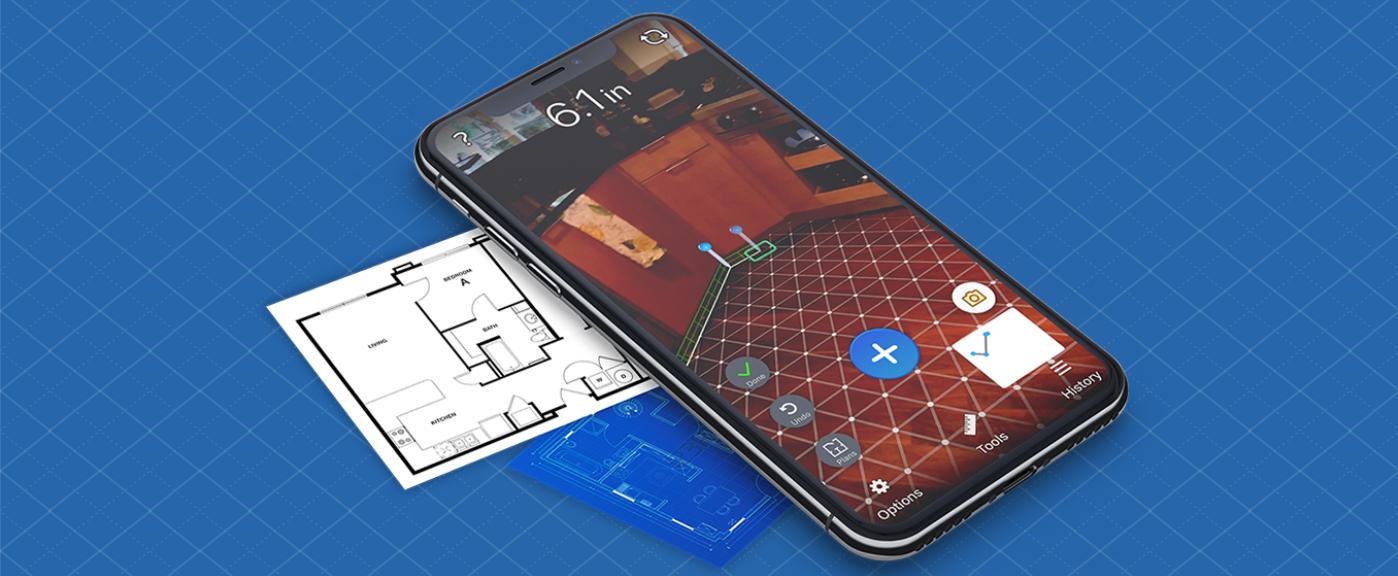
Plan and visualize your future kitchen in AR
Industrial Measurement
Reducing the hassle of managing spaces using Computer Vision
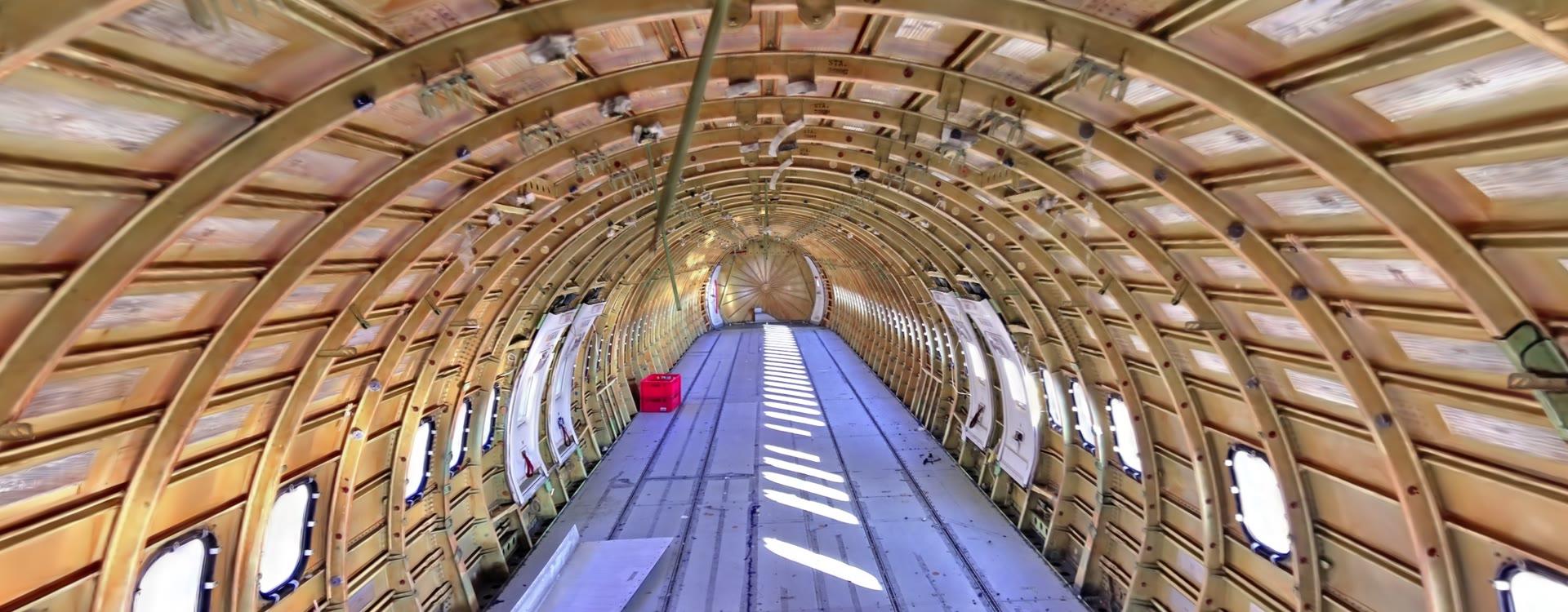
RadianceView Aircraft Documentation
Before a retired airliner is taken apart, its parts need a record. This is how RadianceView and an iPhone turn an aircraft into one: the whole airframe as a splat, the detail as photographs, every finding tied to where it was seen.
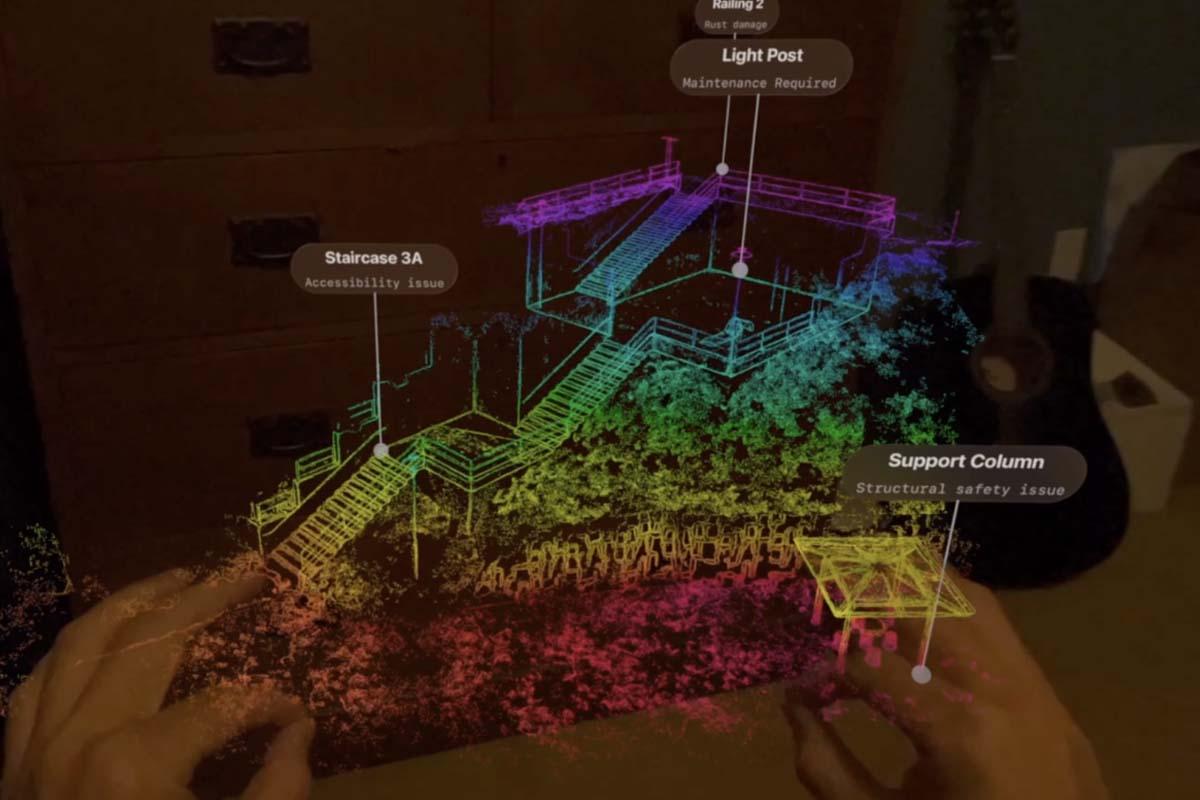
Apple Vision Pro
Our hands-on experiments with Apple Vision Pro, including building AirDraw - a finger painting app for visionOS - plus insights on spatial computing development and what excites us about the platform.
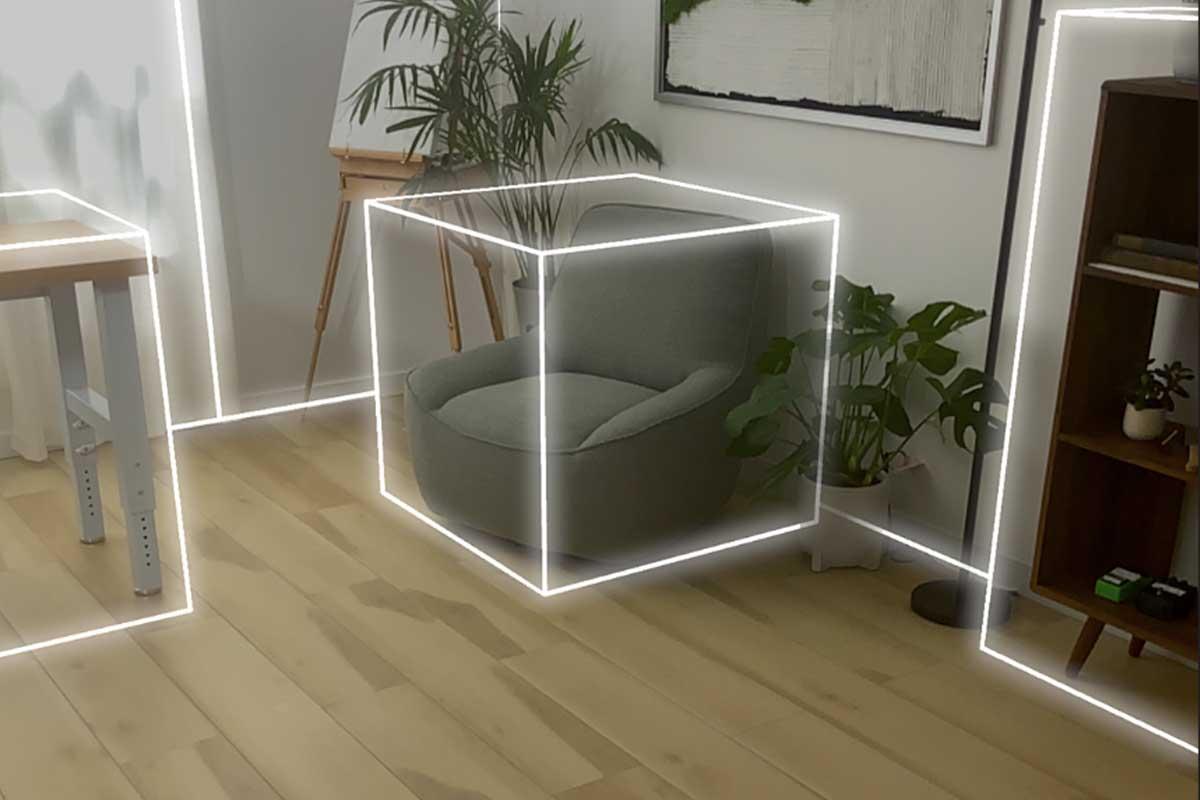
3D Room Scanning
Scanning Spaces, with a focus on geometry and inventory.

ARKit Home Robot
We'll show you how to assemble a fun little ARKit-driven home robot in a weekend.
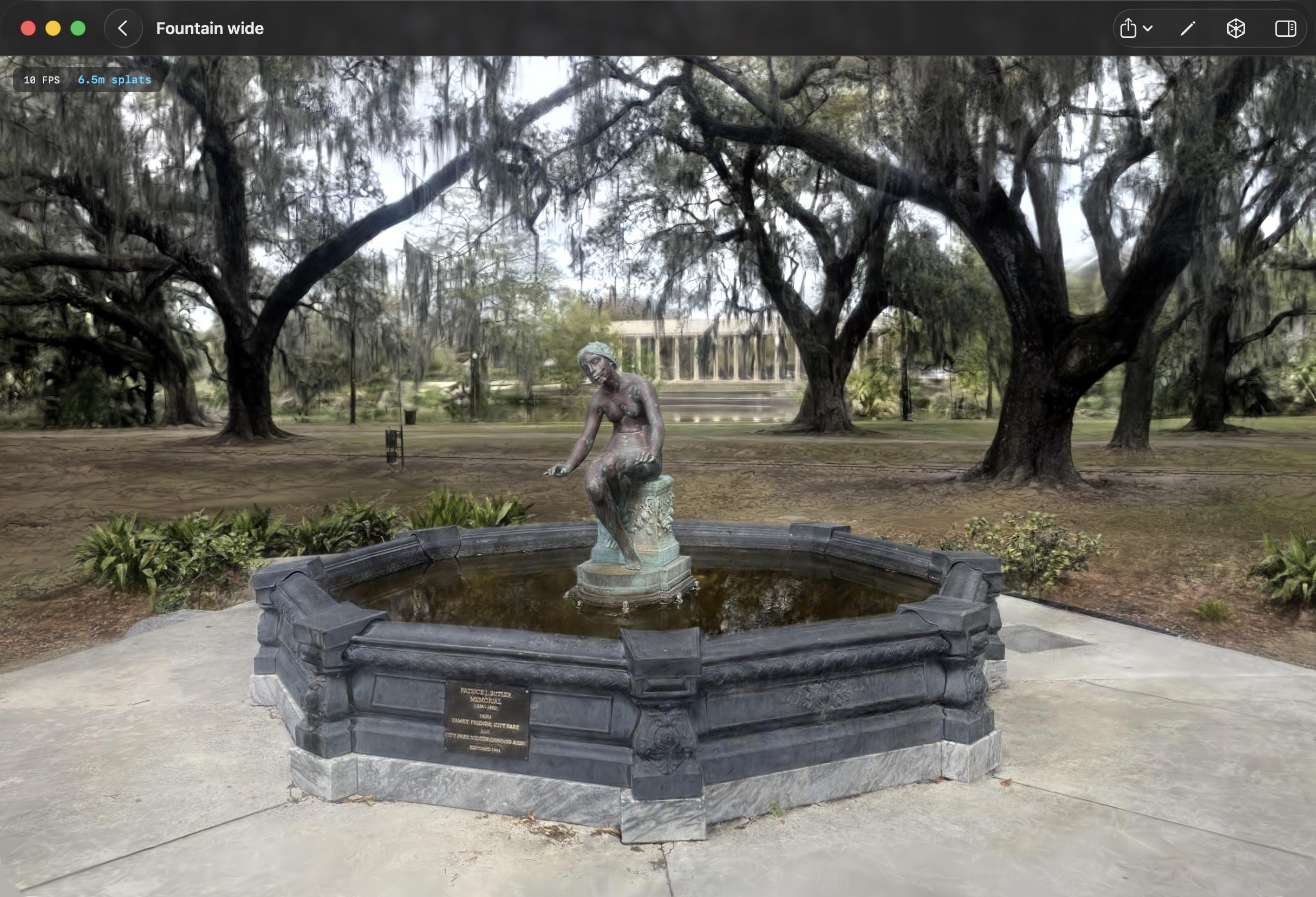
Gaussian Splat Training on Mac with Metal
Most Gaussian splatting trainers are built on CUDA for NVIDIA GPUs. We ported a CUDA splat trainer to Metal so it runs natively on Apple Silicon. The result is 3D Splat App, a free app that trains splats locally on your Mac.
Products built with this work
- AirDraw — 3D finger painting for Apple Vision Pro
- 3D Splat App — Gaussian splat training and viewing on Mac
- OpenPlan3D — Open-source floor plans from RoomPlan scans
Common questions
What is the difference between AR, VR, mixed reality and spatial computing?
Virtual reality (VR) replaces what you see with a virtual world. Augmented reality (AR) adds virtual content on top of the real one, on a phone screen or through glasses. Mixed reality (MR) is AR in which virtual objects are anchored to and interact with the real room, usually on a headset with camera passthrough. Spatial computing is the broader term for software that understands and works in three-dimensional space, covering all of these. Laan Labs builds across the whole range.
Which headset should we build for?
It depends on who will wear it and what it has to do. Apple Vision Pro has the best displays and input and suits professional uses where quality matters more than device cost. Meta Quest is far cheaper and widely deployed, which suits training, field teams and consumer products. Android XR, enterprise headsets and smart glasses each fit particular needs. Laan Labs usually recommends prototyping on the leading candidate first and keeping the core logic portable.
Is Apple Vision Pro worth building for now?
For consumer apps the audience is still small, so Laan Labs usually recommends Vision Pro for professional and industrial uses where the headset replaces a workflow, such as inspection, training, design review and remote expertise, and for companies that want early experience on the platform. Much of the code is shared with iPhone and iPad, which lowers the cost of supporting both.
Can one application run across several headsets?
Yes, with trade-offs. Unity, Unreal Engine and OpenXR let one codebase target Meta Quest, Android XR and other headsets, and Unity content can run on Apple Vision Pro. Native development gives the best quality and access to each platform's newest features. Laan Labs often keeps capture, data and rendering logic shared and writes the interaction layer for each device.
Can an existing phone AR app be brought to a headset?
Often, yes. ARKit, RealityKit and SwiftUI code carries over to visionOS, and Unity or ARCore projects carry over to Quest and Android XR, while camera-based features, screen-touch interaction and some sensor access need rethinking for a headset. Laan Labs can assess an existing app and estimate what moves directly and what needs to be rebuilt.
Can Gaussian splats and large scans run in a headset?
Yes. Laan Labs builds custom renderers that display Gaussian splats, point clouds and meshes with millions of primitives on headsets, phones and tablets, and tunes the capture pipeline so the content fits each device's memory and frame budget. Walking through a photorealistic capture of a real site at full scale is one of the most convincing uses of a headset.
Start a conversation
Tell us about the project and one of the founders will reply. Email labs@laan.com or use the contact form.
Related services: Gaussian Splatting, 3D Capture & Licensing, Computer Vision & AI
Industries: Real Estate, Robotics & Automation, Utilities & Infrastructure, Aerospace & MRO, Construction & AEC